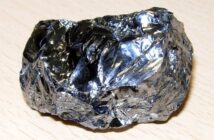
Using organic materials to produce life-sustaining support systems is becoming increasingly important. Here we think especially of battery materials, and the general health of the ecosystem. Many of us are concerned about the potential impact of deep-sea mining. Especially now we know this includes removing battery-like nodules from the ocean floor that produce oxygen.
What And Where Are These Battery-Like Nodules?
About half the oxygen we breathe comes from the ocean. Conventional wisdom holds this comes from marine plants, synthesizing the life-giving gas from sunlight, water and carbon.
But now BBC News reports that scientists recently rediscovered lumps of metal (nodules) on the deep ocean floor producing oxygen. Prior to that, they believed this was impossible away from direct sunlight.
This process occurs at depths as profound as three miles, where no sunlight ever penetrates the darkness. So instead, the battery-like nodules produce the gas by splitting seawater into hydrogen and oxygen.
This profound knowledge cautions us against deep-sea mining metal modules for battery and other materials. That is because a lack of oxygen could damage marine plants, and the fish that feed on them.
What Are the Implications of This Discovery?
This is not entirely breaking news. The first discovery was in 2013, although the implications of ‘a vast amount of oxygen produced in darkness’ were not obvious.
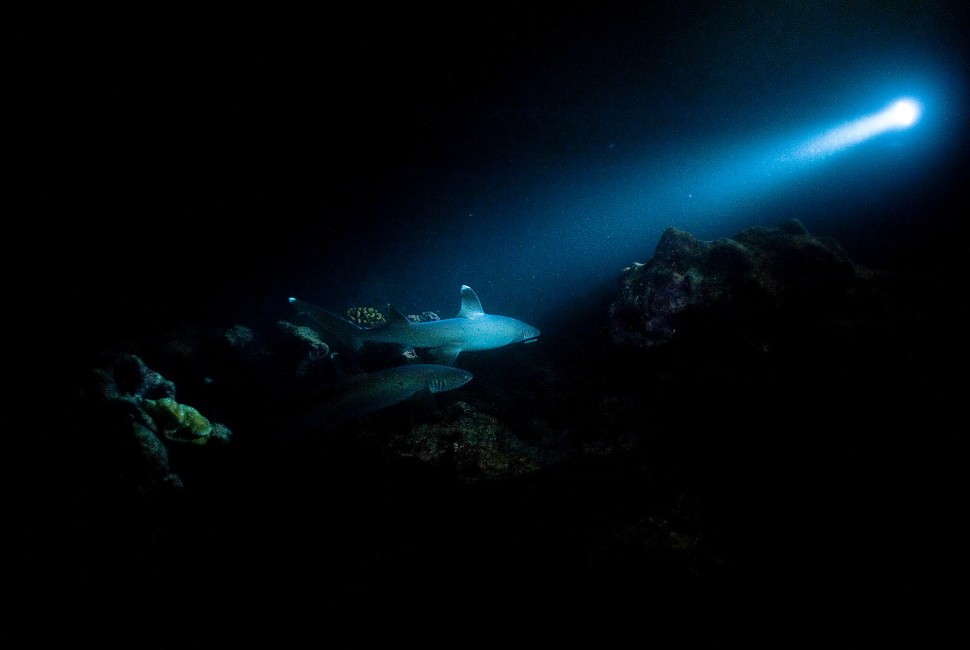
This initial discovery was in a deep seabed between Hawaii and Mexico, and covered with metal nodules containing lithium, manganese, cobalt and copper. Hence the huge interest in mining these lumps for battery materials.
But there is another aspect to this that belongs in our world of batteries. We did not know it before, but apparently if you put a battery in seawater it starts fizzing, as electrolysis splits the water into hydrogen and oxygen.
“It’s like a battery in a torch,” one scientist told the BBC reporter. “You put one battery in, it doesn’t light up. You put two in and you’ve got enough voltage to light up the torch.
“So when the nodules are sitting on the seafloor in contact with one another, they’re working in unison – like multiple batteries.” Or, in other words, they are generating electric currents to electrolyse molecules of seawater.
More Information
Deep-Sea Battery Mineral Mining a Step Closer
Deep Sea Mining Authority Drags Its Feet
Preview Image: Ferro-Manganese Nodules