The internet connects three types of entities. The first group is people, and the second computing devices they use as intermediaries. The third comprises electronic objects including vehicles, appliances, and a large crowd of gadgets we call the internet of things. Perhaps we should have called this ‘things on the internet’ but it’s too late for that now.
Battery Density on the Internet of Things

We don’t have the same recharging convenience as we do with larger portable computing devices. The majority of those on the internet of things are small and quite delicate. Hence we have to remove the batteries to recharge or replace them.
While we do so, their devices cease working. This is not the best scenario for in-body transplants, or climate-monitoring equipment capturing critical data. Network World thinks it’s time battery and thing manufacturers got their act together and collaborated better. Then consumers might get the better deal they have deserved, but not received for a very long time.
The Perfect Battery for Things on the Internet at Home
We only scraped the surface for smart home technology in 2018. Even so, we have lighting, heating, cooling, security and smart luggage communicating with wearable controllers. These all run on batteries since we could never have enough wall sockets.

Batteries powering this IOT of things need to get smarter at telling us when they need a recharge or replacement. Rechargeable ones also need to be able to manage the process themselves with wifi connectivity. Looking ahead to the end game, they also need to handle a high number of charging / discharging cycles.
And finally please, pretty please battery manufacturers use designs that are simple to dismantle, and use easily recyclable materials. Dare we say just like our lead-acid batteries, of which over 90% of materials are recovered world-wide?
Related
The Internet of Things Arrives in Batteries
Bill Joy Discusses the IOT with IEEE
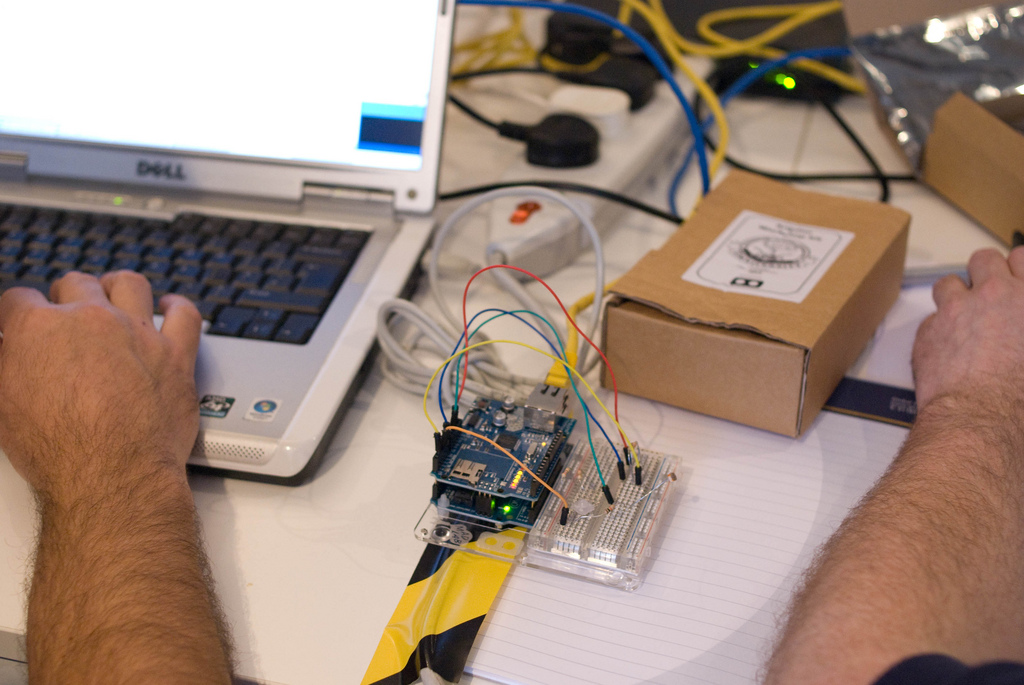
Preview Image: Omniversity : Building the Internet of Things