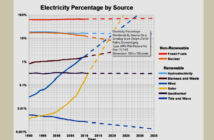
Solar power is just around the corner when we invite it into our homes. The concept is also extremely simple, after stripping away the marketing hype. It provides the opportunity to be grid-independent if extreme weather strikes our utility supply. In fact, it’s the smart home vision we all should have. That’s because it helps us make a personal contribution to gradually reverse global warming.
Steps to Take Towards a Smart Home Vision
First, we need an alternative source for our energy, in this case electricity. Nature offers us two choices, namely wind and solar power. We may also have a third one in the form of a perennial flow of water. But that’s unlikely, especially in urban areas.
Whichever form we choose the energy we receive will be in direct current. That’s the kind of electricity we find in batteries, and so we need a big one to store it in. Why is that? It’s because the sun does not shine every day, and the wind does not always blow. However, there is still one more thing we need to complete our smart home vision. We need an inverter to convert our electricity to the alternating current the utility supplies.
We Now Have Our Own Electricity to Run Our Homes
Of course, our alternative electricity supply has limited generation and storage capacity. Therefore we must use it sparingly when we need it, or at all times. Fortunately, there are smart home tools available to help us do so.
Our smart home vision for the future has its own on-board artificial intelligence, to help us optimize our home efficiency. It can connect us to the grid when energy is cheap, and top up our batteries using our inverter.
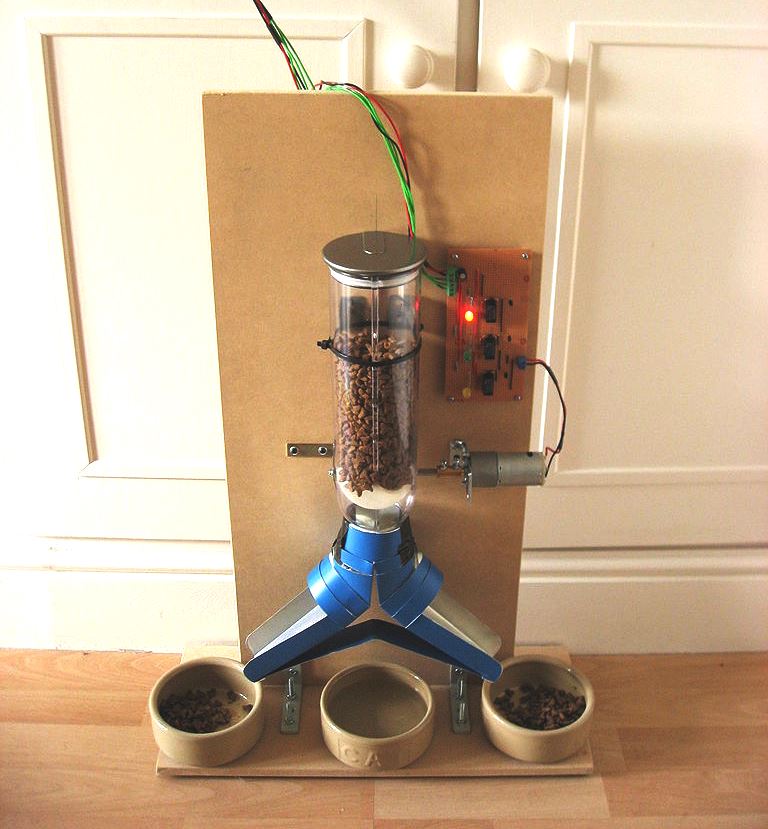
It can also reduce our heating and cooling costs by opening and closing the window drapes, and managing our appliances too. It could even feed the cats. A smart home may take ten years to break even, but eventually it will pay back the costs in energy savings and environmental benefits.
Related
How the War of Currents Gave Us 110 Volts AC
Direct and Alternating Electric Current Compared
Preview Image: Smart Home Technology in Action