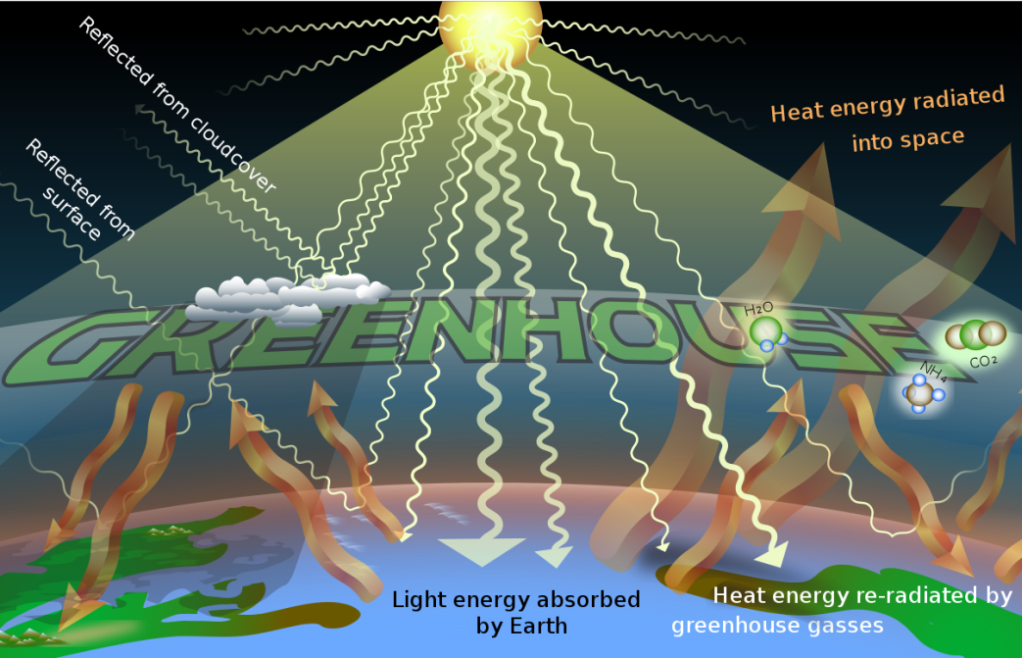
Environmentalists also call low carbon economies low-fossil-fuel, and de-carbonized ones although they are all the same thing. In a nut shell, they get their energy from renewable resources and hence their greenhouse gas emissions are minimal. This includes major polluters such as electricity generation and transport. In this way, we hope to get closer to pre-industrial-revolution levels.
Do Semi-Industrialized Economies Also Have a Role to Play?
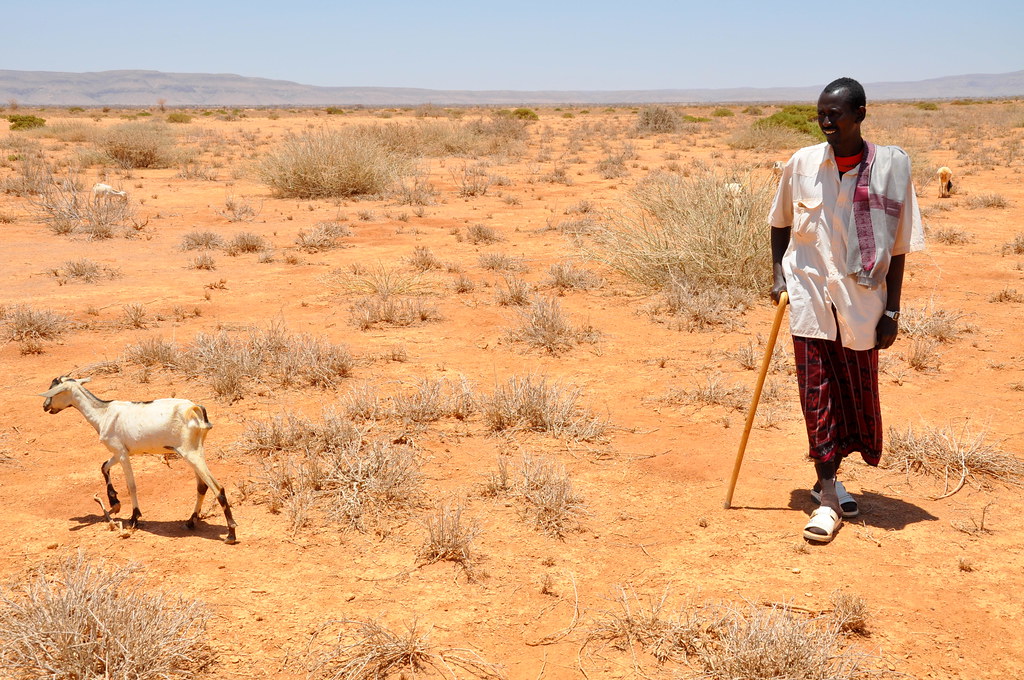
Absolutely they do, even though they do not create as much greenhouse gas as Russia, China, and the United States for example. That’s because they will eventually ‘catch up’ if that’s the word to use. Therefore it’s best they adopt the right culture now.
For if the nations of the world don’t become low carbon economies soon, then the climate could change radically. Prolonged droughts could lead to food shortages displacing a billion people. Conflict could erupt between nations resulting in a total breakdown of social order as we know it. Some people say this disaster won’t happen. However 97% of scientists say we need to radically reduce carbon emissions soon.
Rich and Poor Countries Would Both Benefit If We Achieved This
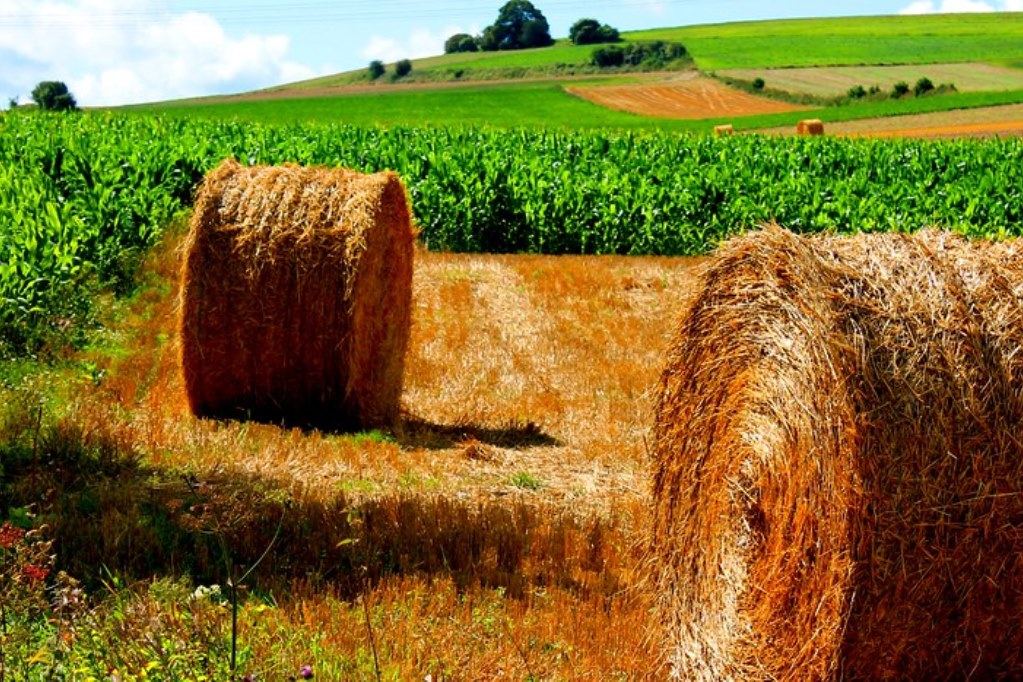
Low emission and green electricity generation would empower individual citizens to make their own clean electricity at home. Better health and fewer environmental diseases like tuberculosis and cancers would follow.
Our low carbon economies would herald a new dawn in which the future of our species would be more secure. We could raise families again without fretting what the world would be like we are leaving them. A billion species would not die out because their natural food would remain abundant. We would no longer have to worry whether their loss would affect our food chain and leave us hungry.
Why are We Still Talking … Where’s the Action?
The largest companies in the world and the world’s richest people benefit from the transport and power generation industries. These cause the bulk of greenhouse gases, while their donations fund political parties, and therefore national policies. Until they change their ways of doing things, we are merely helpless spectators. That is, unless we learn to live without their products.
Related
Permafrost Could Release Its Secrets Soon
New York’s Brave Response to Greenhouse Gas
Preview Image: Greenhouse Gas Effect