

Michael Belfiore writing in Bloomberg Businessweek says “lithium-ion batteries are terrible at storing carbon-free electricity”. We’ll leave that remark for the industry to resolve. That’s because we are more interested in the greener alternatives he suggests. We decided to chat about his five smarter ways for storing energy to replace fossil fuels we must leave behind.
Five Smarter Ways for Storing Energy
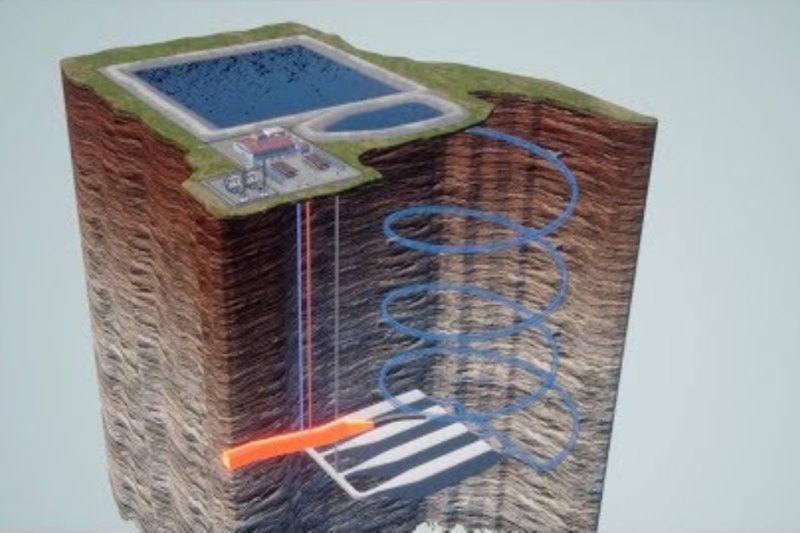
Michael Belfiore regards lithium batteries as expensive. Moreover “they hold, at most, about four hours’ worth of that grid-scale juice,” he complains. He thinks compressed air underground is smarter. You control it with a column of water until you want to release the energy.
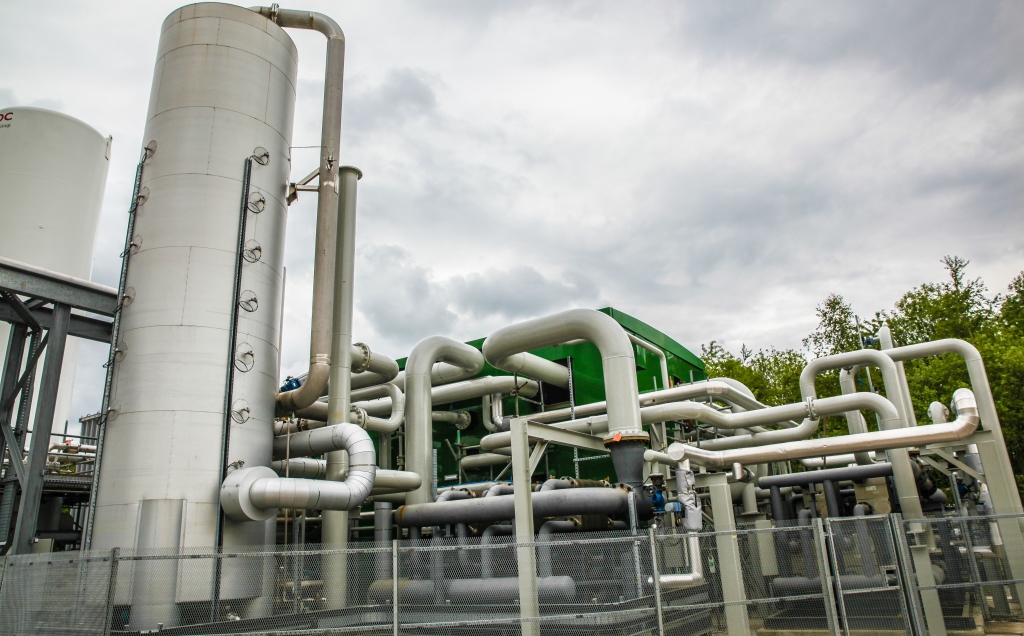
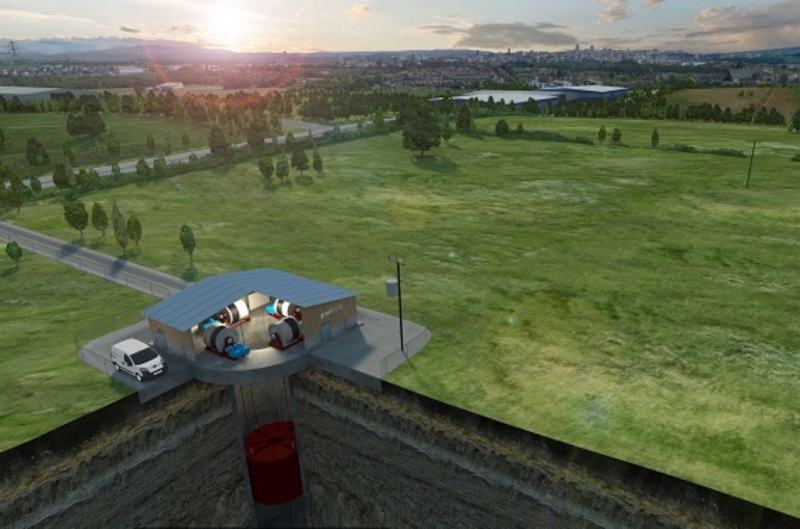
A company called Highview Power in London uses green electricity to cool air until it becomes liquid instead. Then it reheats the air during peak demand. This causes it to expand and drive electricity generators. However a company further north in the Scottish capital Edinburgh raises and lowers a 3,000-ton weight in a mine shaft to store and generate electricity.
Pressurized Water versus Crane and Blocks
We have two further smarter ways for storing energy to share. Gravity Power in Colet, California hopes to pressurize water “with a steel-jacketed, rock-and-concrete piston weighing approximately 8.5 million tons”. Releasing it will drive a turbine for 16 hours they plan.
We wrote about the Energy Vault in Lugano, Switzerland previously. Perhaps it’s because we never had enough LEGO blocks as kids, but we can’t resist the temptation to mention it again. It builds a skyscraper of concrete blocks with cranes, and then lowers the blocks down to release electrical energy.
Perhaps you are wondering what this has to do with our favorite topic, batteries. The five technologies we mentioned are all able to store energy. They can also release it to produce electricity just as our lead acid batteries do on demand.
Related
Gravitational Energy from Soil in Drums
Gravity Bricks Set to Store Energy in Milan
Preview Image: Highview Power Grid Scale Electricity from Air


