When we were kids, we imagined the Arctic was a vast ice sheet inhabited by families in igloos, reindeer herds, and polar bears. Thanks to pictures NASA beamed down to us we now know it also contains vast forested areas. As Arctic wildfires rage in parts of northern Siberia, northern Scandinavia, Alaska and Greenland we ask how is warming causing these fires.
Global Temperatures Are Rising as Arctic Wildfires Rage On
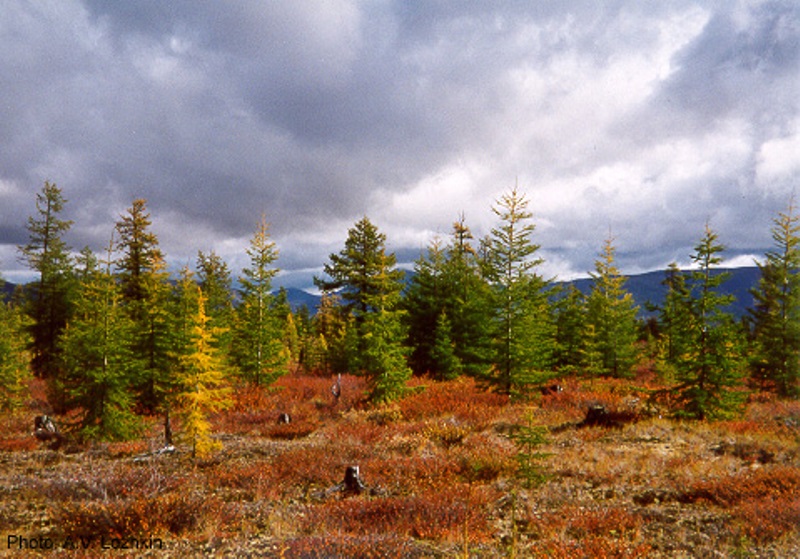
In times gone past, occasional lightning storms triggered fires. These had a purpose, for the burned vegetation returned nutrients to the soil and cleared ground for new growth. However, the ambient temperature affects their likelihood and severity. That’s because plant material catches fire easier on blisteringly hot days.
It follows the Arctic wildfires rage with increasing ferocity because of rising temperatures throughout the region. This rate of increase is considerably faster than in mainland America with the exception of California, where the past few wildfire seasons have been severe. Leading scientists describe this situation as ‘extreme’.
We Enter New Territory When We Upset the Balance of Nature
Our Earth was in balance before the First Industrial Revolution, within seasonal boundaries and natural cycles. The plants on the Arctic tundra were in harmony with prevailing temperatures. Therefore, the trees forests in the region were able to survive cyclical forest fires.
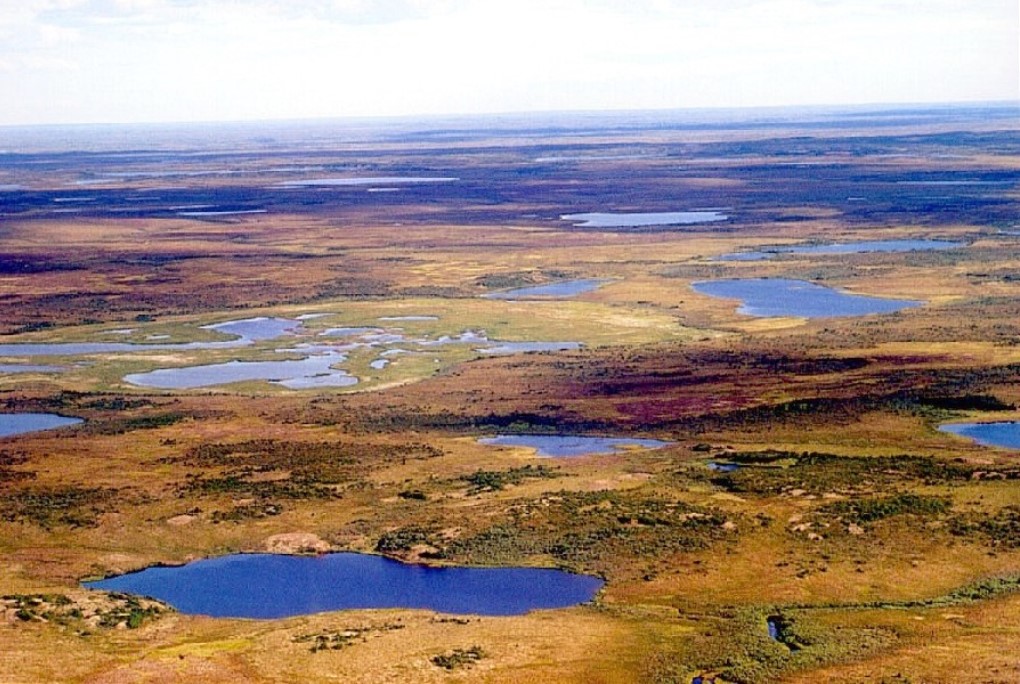
However, when the temperature exceeds the customary range the plants weaken, wither and eventually die. The Arctic is moving into a protracted drought, when we will see Arctic wildfires rage across what was once green and pleasant land.
Human beings living there have grown accustomed to breathing crisp fresh air. The smoke rising from dried-out, smouldering peat is drifting across Russian villages and cities. The air quality is deteriorating there. Apparently the Russian authorities are not combating the fires because ‘the cost would be greater than the damage they cause’.
We have to ask ourselves what the real cost of this is, in terms of our habitat and what the permanent damage will be to our only home, planet Earth. We can’t for the life of us imagine doing nothing about this great natural disaster.
Related
What Climate Is – An Introduction to Change
Rapid Climate Shift Event in Arctic Barents Sea
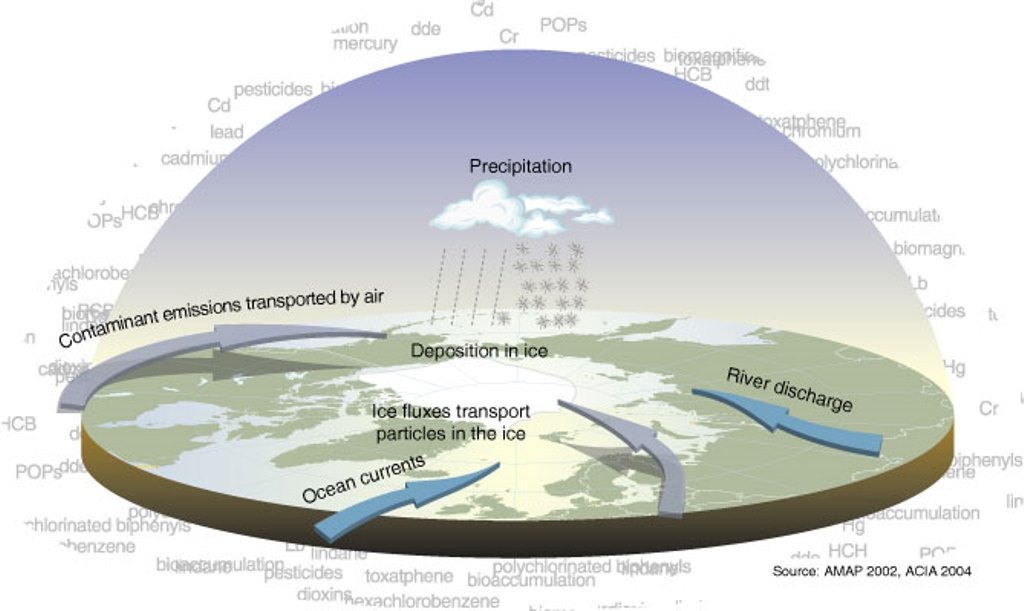
Preview Image: Long Range Pollution Pathways to the Arctic