Twenty-five years ago the Great Barrier Reef off Eastern Australia was one of the most thrilling places on Earth. Fast catamarans took tourists out onto the ocean where they could float all day long in warm, languid waters. Kaleidoscopic corals luxuriated below their feet while myriads of fish danced through the water. How could we be silent about this Great Barrier Reef facing extinction?
The Great Barrier Reef Facing Eastern Australia
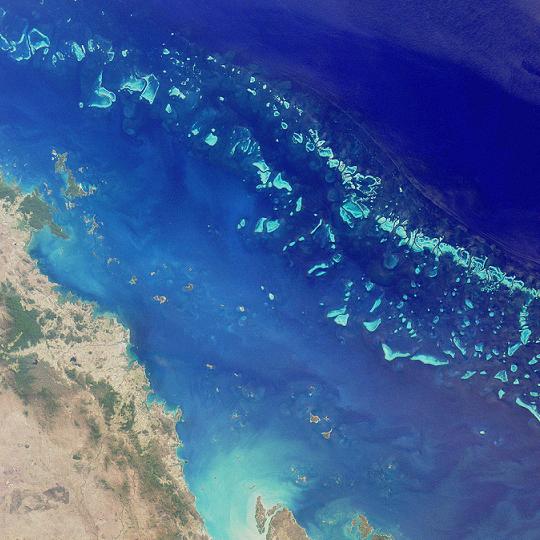
The Great Barrier Reef is the largest coral system on Earth. There, 2,800 individual reefs reach out across 134,000 square miles. That’s just 10,000 less than Montana, America’s fourth largest state.
UNESCO’s World Heritage Committee designated the reef for its “enormous scientific and intrinsic importance” in 1981.
They are now deeply concerned about the Great Barrier Reef facing a slow death from climate change. Recent heat waves have killed off previously pristine coral. In 2009, the Great Barrier Reef Marine Park Authority said the reef was “at a crossroads between a positive, well-managed future and a less certain one”.
By 2019 the Question has Become Can We Save It
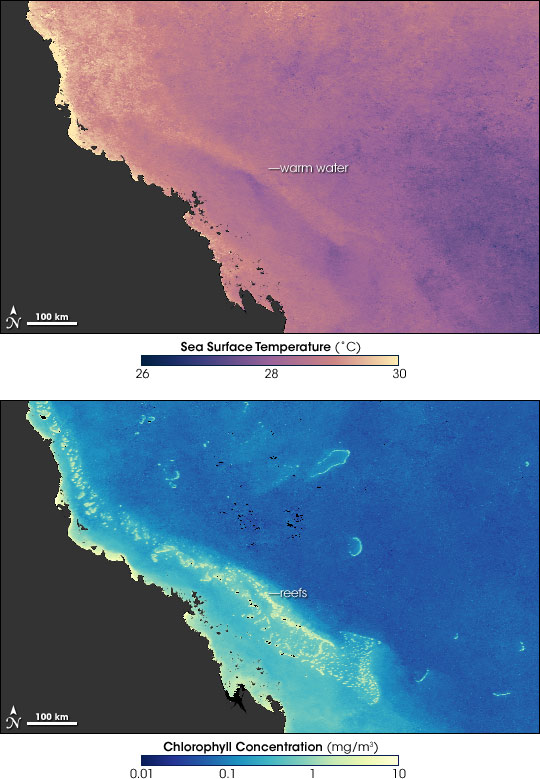
A follow-up report in 2014 shifted gear by saying the reef was “an icon under pressure”. Efforts were essential to fight key threats. However, the third, 2019 report paints a litany of disasters.
Rising sea temperatures caused severe damage in 2016 and 2017. Some of the coral is still healthy, however overall the condition is worsening.
The strategic director of the Australian Marine Conservation Society believes it is still not too late to save an iconic heritage that belongs to the world.
We’ve had ten years of warnings, and ten years of rising greenhouse emissions. And ten years watching the reef heading for a catastrophe, he says.
Concerted global action to tackle climate change is the only way to save a great barrier reef facing extinction before our very eyes.
Related
Climate Change Evidence: Great Barrier Reef
Will Climate Change End European Vacations
Preview Image: Great Barrier Reef Under Attack