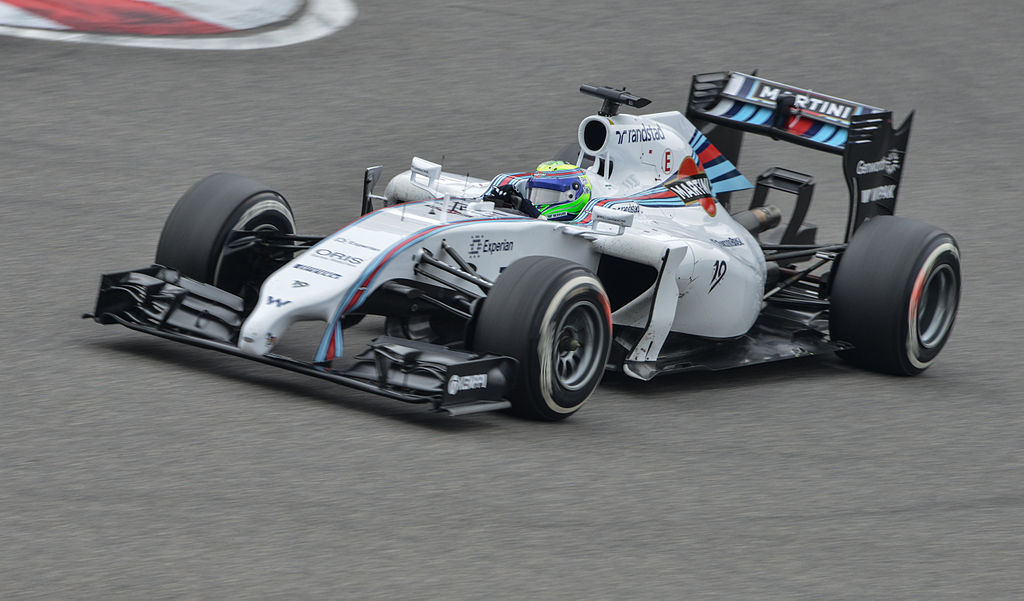
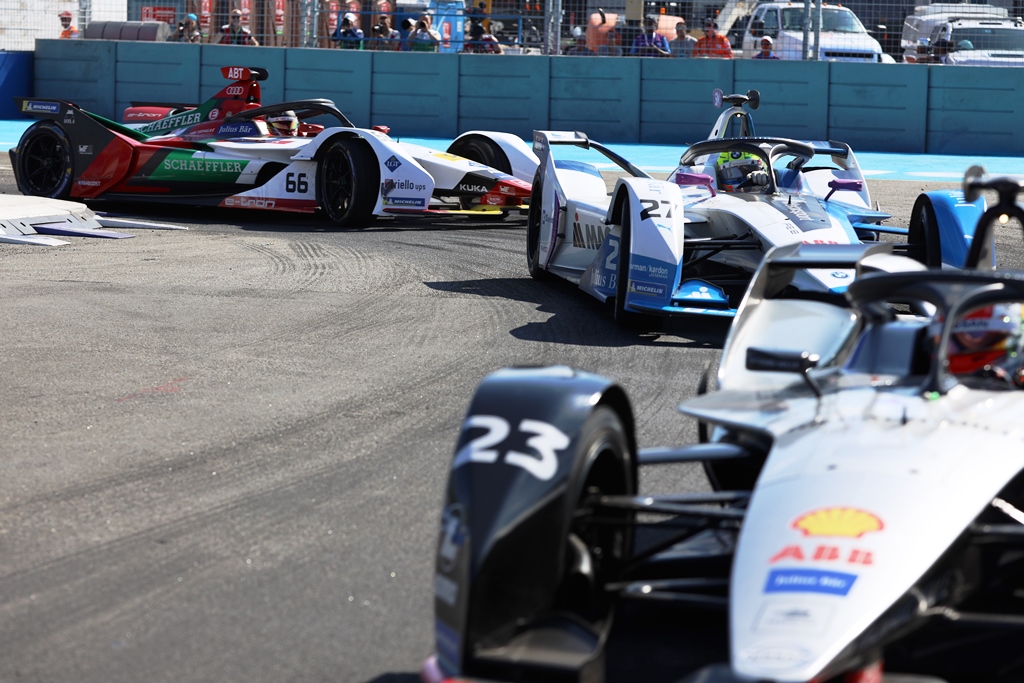
Williams Advanced Engineering had a great track record as sole supplier of Formula E battery systems. There were only two on-track battery failures between 2014 and 2018. This represented a 99.5% success rate. The company is now trialing two different types of cells in a single car. We find this an intriguing example of lateral thinking on the fly.
Why Two Different Types of Cells and Why Now?
Energizing Formula E electric racers to compete with Formula 1 gasoline ones has remained a challenge. That’s because drivers requite high density for long distances between charges. However, they also need extreme bursts of power for overtaking and defensive maneuvering.
Battery manufacturers have struggled to find the best compromise between these extremes. Williams Advanced Engineering’s compromise is a combination of two different types of battery cells. A control module between them selects the operating mode depending on driver requirements. As a result, the lithium-ion battery packs are apparently as much as 30% lighter and 37% more energy dense.
New Battery Module Debuts at 2019 Cemex Event
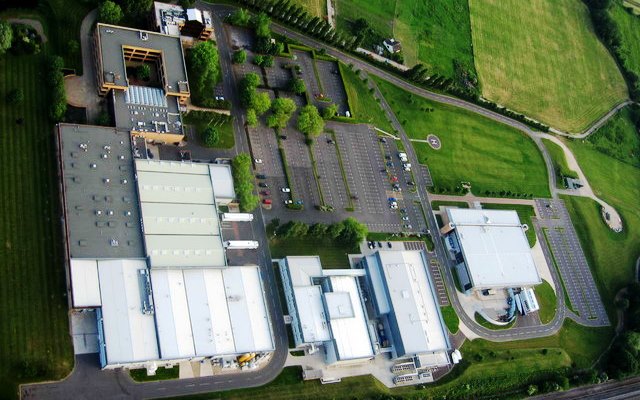
Williams Advanced Engineering introduced their new battery module at Cenex Low Carbon Vehicle Event early September 2019 in Millbrook, England. This is still a prototype although they are targeting fifty units a month within a year. There are also aerospace applications where they may have a scalability edge.
A typical lithium-ion battery pack comprises multiple cells of the same type and composition. However, Williams Advanced Engineering’s version uses two different types of cells. “A bi-directional DC/DC converter manages energy transfer between the two cell types” according to Car Advice. Moreover, a compact thermal management system manages cooling to control overheating as switching takes place.
The demo pack has a storage capacity of 60kWh and produces peak power of 550kW for 20 seconds and peak regeneration of 550kW for 10 seconds. Therefore they have more work ahead of them but this is a good start.
Related
Formula E Racing Showing Progress
Formula E Still Holding Back on Batteries
Preview Image: 2014 Chinese Grand Prix (Felipe Massa)