The Mayflower ship sailing the Atlantic with pilgrims 399 years ago traveled on the wind and a prayer. Navigation was crude. That’s because the captain relied on a compass and a log-and-line system to calculate speed. And he measured time elapsed with an hourglass. The Pilgrim Fathers could not have imagined a Mayflower autonomous ship celebrating their four hundredth anniversary in 2020 next year.
The Mayflower Autonomous Ship Will Not Have Passengers Though
First, the Mayflower pilgrims left England in search of a better life in a New World in 1620. Then they entrusted their safety to the captain, the crew, and their faith after their backup vessel returned to base with leaks. They had no control whatsoever over where their creaking wooden sailing ship went.
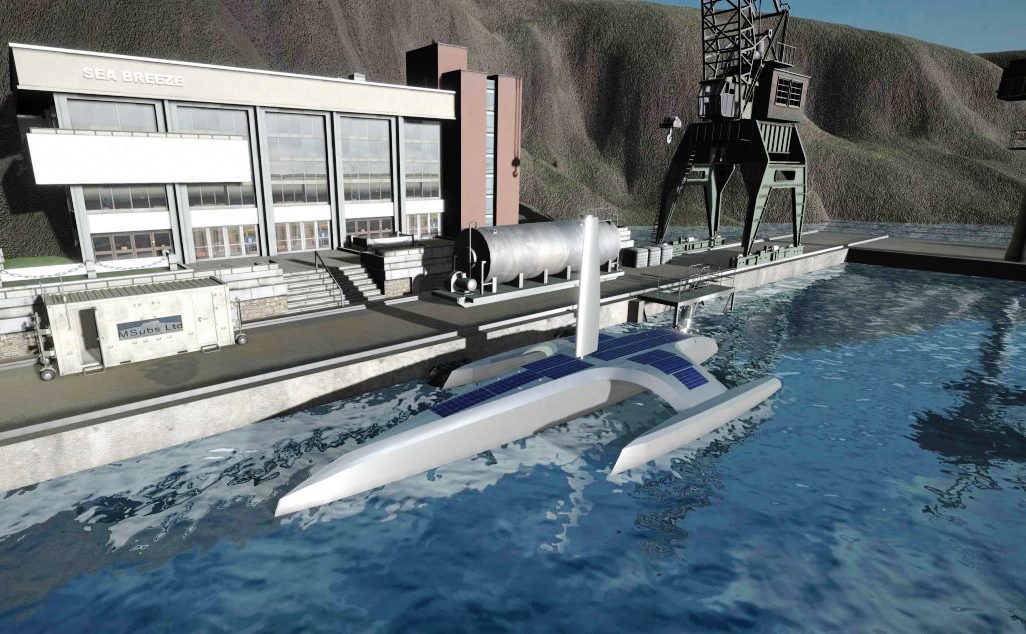
The Mayflower autonomous ship decides its own navigation too, but that’s where the similarity ends. Because the 100-foot trimaran will run on solar energy as well as wind power. And emergency diesel backup should these fail. The three sleek hulls with the lightest footprints are building in Gdansk, Poland for delivery to Plymouth in February 2020. The vessel will make its own navigation decisions, although it has satellite phone link if it needs advice.
A Wealth of Equipment Will Guide Mayflower on Its Seafaring Way
The vessel will set sail from Plymouth UK for Plymouth USA in September 2020, guided by satellites, cameras and global positioning. It will use light detecting and ranging, and radio detecting and ranging in conjunction with machine-learned knowledge it is accumulating now.
Moreover, state of art batteries will store energy and ensure a smooth supply of power to the sensitive equipment. “Once it’s past the Isles of Scilly, it’s on its own,” says project director Brett Phaneuf. “The ship is going to do oceanographic research. But it is also an active test platform for artificial intelligence and machine-learning algorithms for collision avoidance.”
The Mayflower autonomous ship will sample plastic pollution among other assignments. “This is an opportunity to get a much deeper and data-rich picture of the situation.” So says Plymouth University marine research director Richard Thomson OBE.
Related
New Cruise Ship Operates On Batteries
Low-Carbon Shipping Using Fuel Cells
Preview Image: Mayflower Autonomous Ship on Solar and Wind
Video Share Link: https://youtu.be/m6iHZlkg6TQ