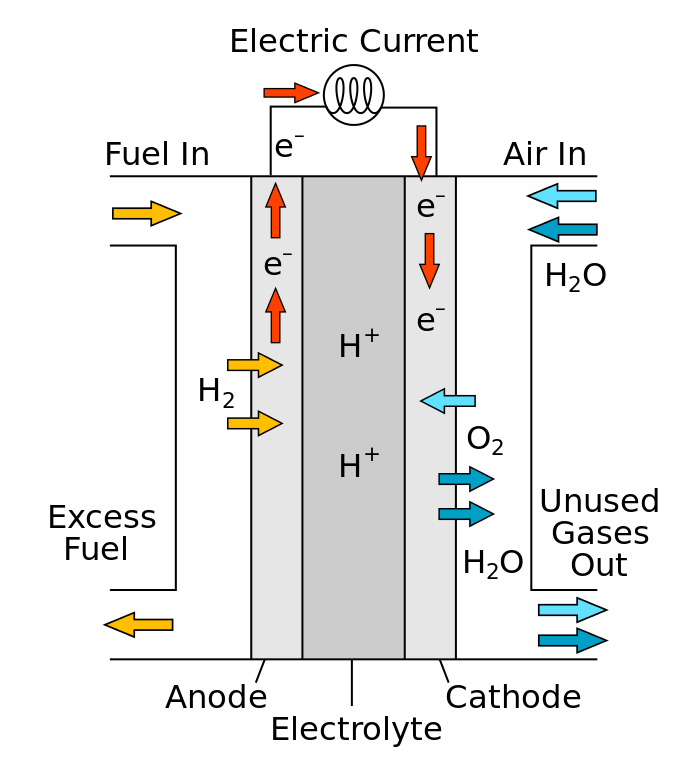
A fuel cell creates power on demand, by converting chemical energy in a fuel and an oxidizing agent. Therefore, these cells are the technical opposite of batteries that store energy imported from elsewhere. We believe hydrogen fuel cells could take over from batteries in grid-scale applications. Now NPR News believes we could see low-carbon shipping taking more than an interest in them.
The Enormous Potential of Low-Carbon Shipping

Shipping contributes 3% to global warming so it is not far behind concrete. This contribution will increase sharply as other causes fall away. The growing marine industry could pay harsh carbon penalties as it comes into sharper focus. Hence the interest, we believe in low-carbon shipping.
Most commercial shipping gets its energy from heavy bunker fuel oil. This is particularly dirty, thick and sooty. When it burns, it emits sulfur and particulate matter that can cause respiratory illness. Bunker oil also gives off greenhouse gases. These include carbon dioxide and methane that trap heat in the atmosphere. We believe the case is proven. The shipping industry must stop irresponsibly causing global warming.
With Climate Change, The Oceans Become More Dangerous
Global warming leads to climate change. Climate change in turn will bring more extreme weather events that can strike far out to sea away from any help. “If shipping were a country, it would be the sixth-largest polluter in the world.” So says Nerijus Poskus of shipping technology company Flexport.
By the mid-century shipping will contribute 15% of greenhouse gas emissions, as other leading causes fall away. Most ocean-going ships have a design life of 30 years. Therefore, we have to start thinking of replacing the engines in the current fleet. The simplest way to do so could be with readily-scalable fuel cells.
We understand the low-carbon shipping technology to do so is already in place. All we need is the political will to convert the global fleet to zero-emission energy.
Related
International Shipping Navigates Around CO2
Fuel Cell Technology and How It Works
Preview Image: Density of Commercial Shipping