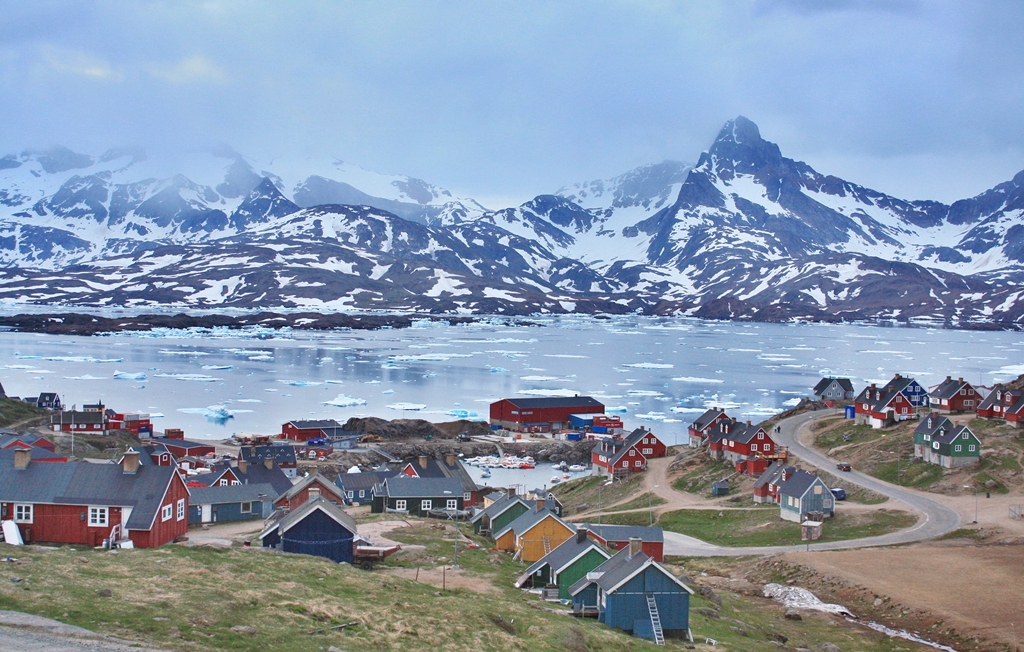
The Greenland land mass is the size of Idaho yet its population is tiny. The Greenland ice sheet covers 81% of the island. A third of the permanent population of 56,000 people live in the capital city Nuuk. The rest are in isolated coastal towns. Greenland climate change could have an unexpected impact on their lives.
Rare Earth Metals Appearing as Greenland Climate Change Bites

New mineral resources are appearing as Greenland climate change melts the ice sheet. Ruby mining began in 2007, while iron, uranium, aluminum, nickel, platinum, tungsten, titanium, and copper await exploitation.
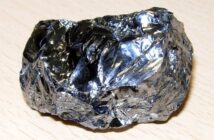
According to Bjorn Schionning writing for BBC News, there are also large deposits of rare earth metals. Neodymium, praseodymium, dysprosium and terbium are preparing to contribute to computer, electric car, and mobile phone manufacture. When the current American administration offered to purchase Greenland from Denmark this may have been part of the business model. But there is more than that at stake.
More Than Rare Earth Metals Appearing Under the Ice
Greenland is strategically positioned between North America, Europe and Russia. It could make an ideal springboard from which to launch a military attack. There’s more virgin rock emerging every day. The U.S. has a ‘secret’ nuclear base there dating from the Cold War.
If global warming were to become extreme, then Greenland could be humanity’s last-stand Arctic refuge.
What we do know is the Greenland climate change landscape is attracting considerable political interest given the emerging mineral resources.
The United States is opening its first consulate there since 1953. China is actively pushing for closer economic ties. One of the world’s least attractive nations from the economic point of view is apparently becoming quite interesting.
Related
Greenland’s Tough People Fear Climate Change
Total Greenland Ice Sheet Melt: A Preview
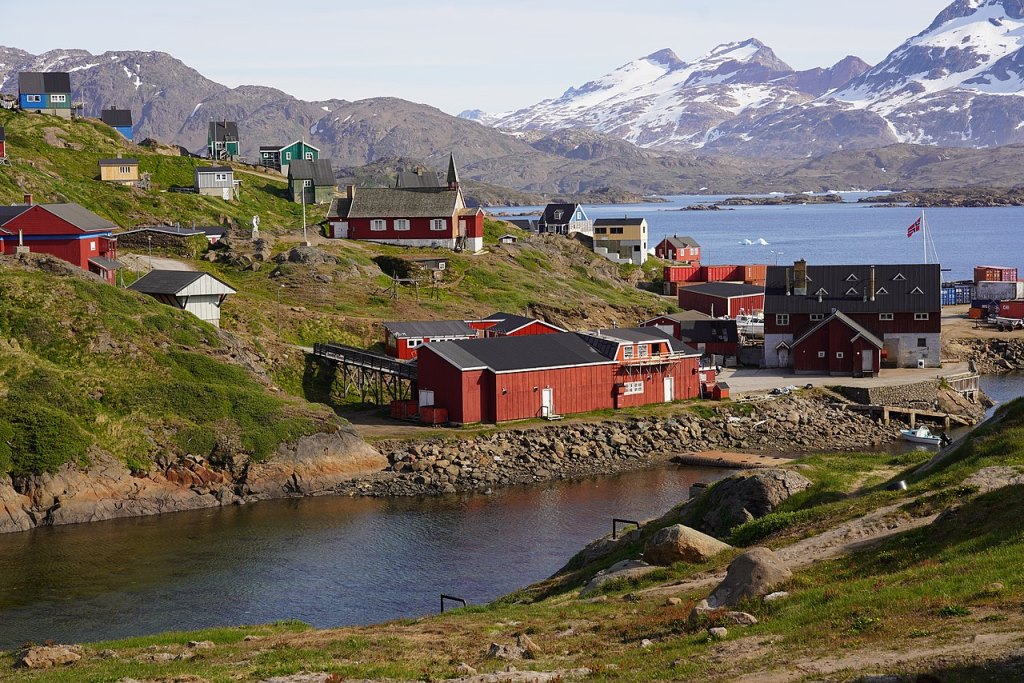
Preview Image: Tasiilaq, Greenland in Summer