

Incidents during the repatriation of Diamond Princess and Westerdam cruise ship passengers underscore the need for extreme caution. The World Health Organization WHO updated its guidelines on February 11, 2020. Repatriating countries must have measures in place to prevent onward spread and trace contacts as need be. Repatriation and quarantine of travelers requires extensive precautions during a virus epidemic.
Repatriation and Quarantine of Travelers before Flights
The World Health Organization says there must be full and open communication with affected officials in both countries. During repatriation and quarantine of travelers there must be medical personnel available at all times. Moreover, they must have personal protective equipment and medical supplies to respond to likely illness.
The aircraft crew must be sufficiently up to speed with the signs and symptoms to be able to recognize them. All passengers and crew must pass screening tests for coronavirus infections before boarding the aircraft. Those with positive readings should remain for treatment in the host country. The screening results should be shared with the destination country before departure.
Measures On-board the Aircraft during the Flight
There must be a record of seating locations to trace possible cross infections. The pilot should seek immediate advice from the destination team if a new case appears. One dedicated crew member must then put on personal protective equipment, and care for the person. Passengers in adjacent seats must relocate if possible.
The person showing infectious symptoms must wear a face mask or use disposable tissues to contain coughs and sneezes. If they cannot do so for whatever reason then adjacent passengers must wear face masks. The flight crew should operate the air recirculation system continuously, as filters can remove some airborne pathogens.
The above measures are essential during repatriation and quarantine of travelers on aircraft if anyone shows signs of Covid-19 infection.
Related
Taking Coronavirus Precautions WHO Advises
Did Complacency Spread Covid-19 Virus?
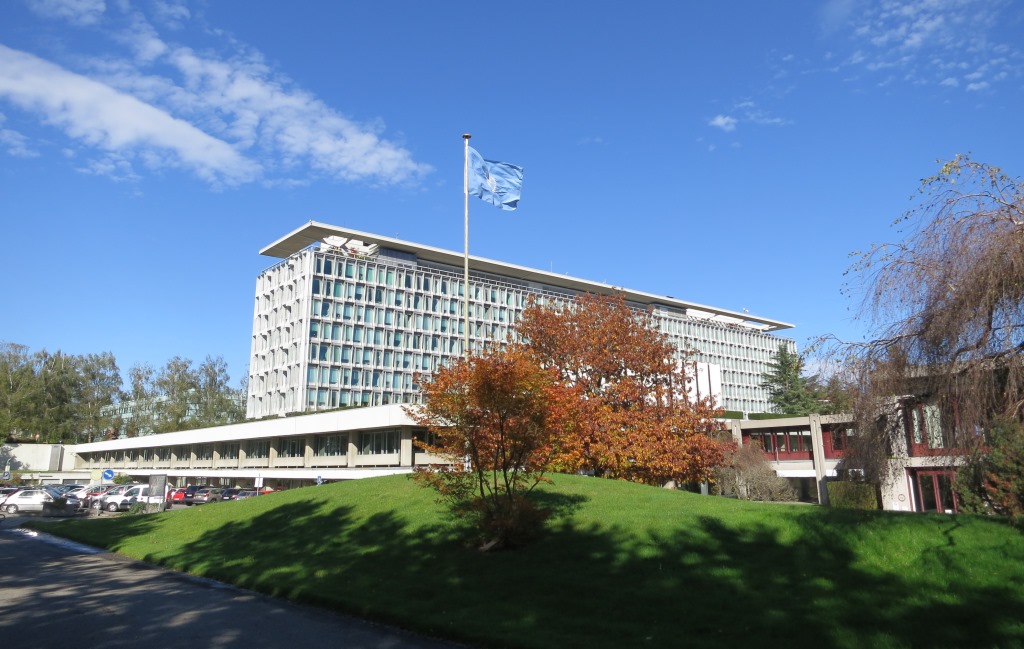
Preview Image: World Health Organization Headquarters


