The idea of using surplus green electricity to split water into hydrogen and oxygen is attractive, if only we could make it affordable. However, available methods use precious metals as catalysts, making hydrogen fuel beyond our grasp because of cost. But there is good news on the horizon because Los Angeles researchers have found a new water splitting method that could become commercially viable.
Less Expensive Water Splitting Method Discovered in Los Alamos
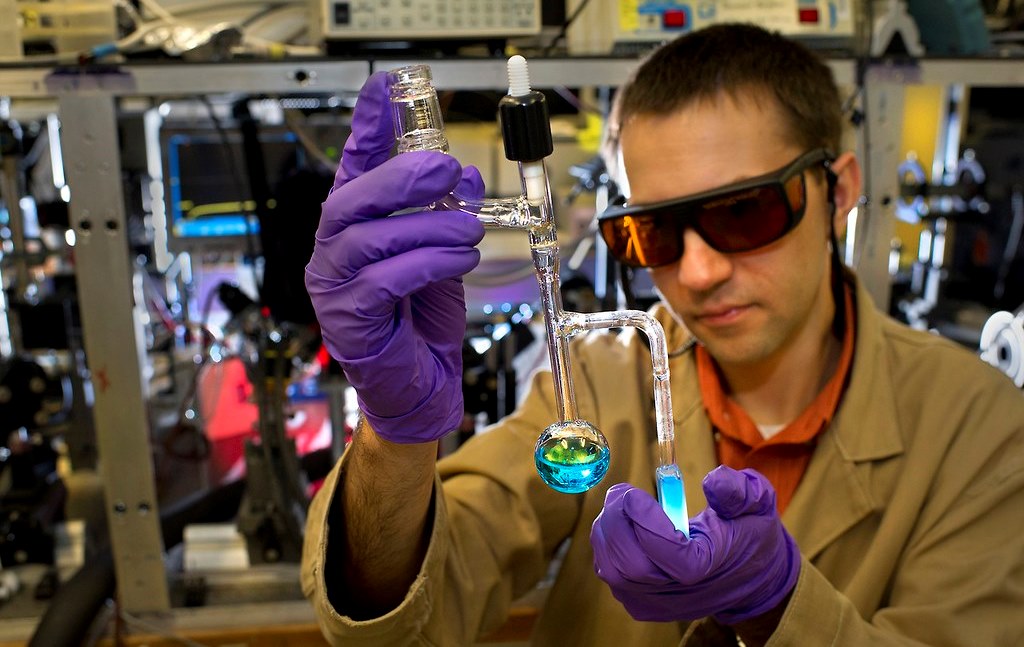
Los Alamos National Laboratory researchers Dongguo Li and Yu Seung Kim found a way to use an abundant material. Moreover, their new catalyst is a far cheaper nickel-ion compound, yet they report performance similar to current technology. This uses precious metals including platinum and iridium. Moreover, it needs costly corrosion-resistant titanium plates.

Dongguo Li’s Los Alamos team first experimented with water splitting under basic, or alkaline conditions using an anion exchange membrane electrolyzer. This consumes electricity to produce hydrogen without employing a precious metal catalyst.
Yu Seung Kim’s Team Follows Through with an Electrode Binder.
Then Yu Seung Kim’s Team picked up the ball and developed a complementary electrode binder to work with the new catalyst. Their hydrogen-conducting polymer provided the high pH environment essential for fast electro-chemical reactions.
This fresh combination produces hydrogen ten times faster than conventional methods. And it is as productive as a more costly proton exchange membrane electrolyzer too. Water splitting is also a clean technology, although it needs electricity to do its work. However, green electricity for peak demand comes at little extra cost during slack times when we could use it for splitting water.
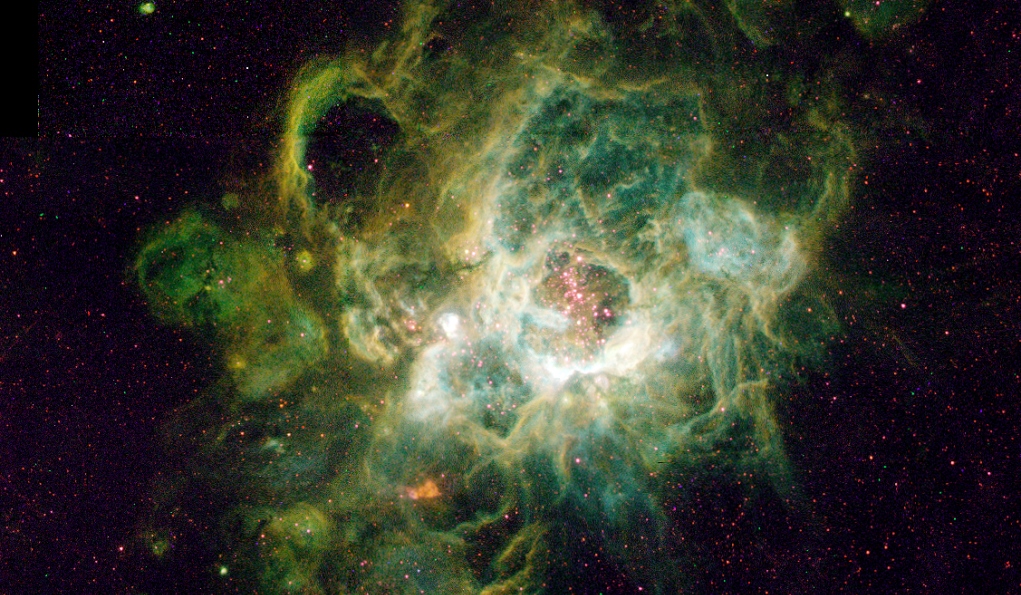
NGC 604, A Giant Region of Ionized Hydrogen in the Triangulum Galaxy: NASA: Public Domain
Dongguo Li knows of around 6,000 wind farms in the United States with spare energy in off-peak periods. Hydrogen gas has many uses including power generation, heating, automotive propulsion, aerospace, and telecommunication to mention a few. Now we think of it, just imagine making rocket fuel from water!
Related
Which is Better Battery Power or Hydrogen?
Hydrogen Answers Call for Clean EV’s
Preview Image: Producing Clean-Burning Hydrogen Fuel