

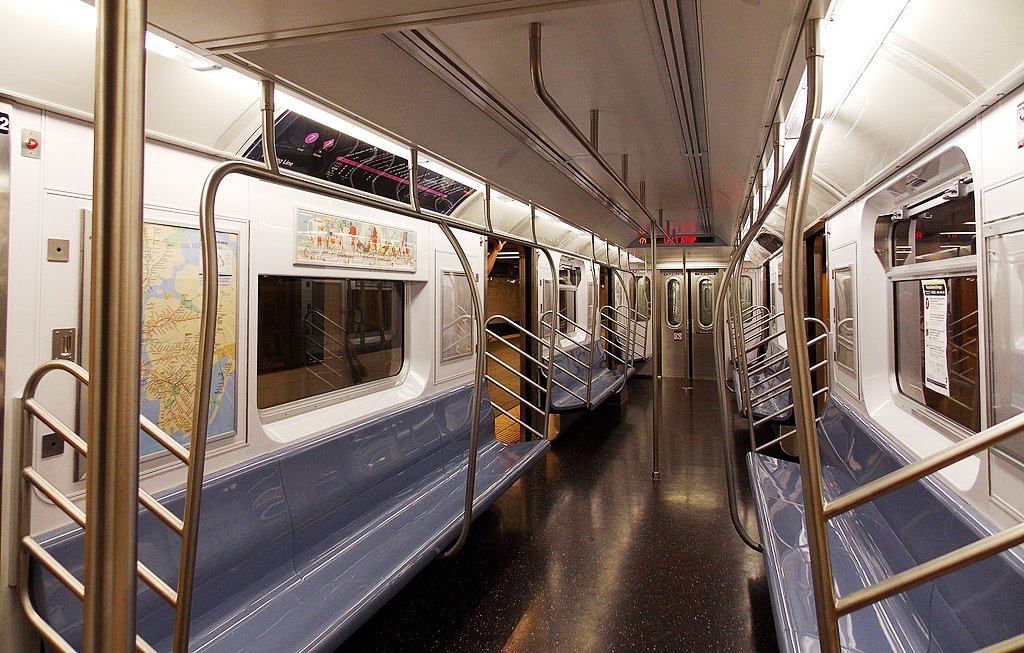
We have known since we were kids that viruses are our fellow travelers on subways. Our parents told us to cover our mouths and noses if someone was coughing nearby. However, if we still caught a cold we had a few days off school luxuriating in bed. Nowadays, of course we have to take airborne diseases more seriously. This includes understanding their journeys through subway cars.
Viruses Are Our Fellow Travelers on Subways Regardless
Our technology still has to catch up with the demands of the pandemic. However, subway filters do have a wave design that traps more droplets. These comply with the MERV-7 standard. Although New York Times cites experts saying they should preferably meet the higher MERV-13 spec.
But the system does at least ‘replace’ the air an average 18 times an hour, which is three times the office standard. However some viral particles still do slip through, and could circulate several times through a car during a couple minutes. This explains how viruses are our fellow travelers on subways, and why we should take precautions against airborne transmission.
Two Different Scenarios for When a Rider Sneezes in a Car
In the first scenario the subway rider is wearing a face mask. Some larger droplets force past the mask when they sneeze or cough, and land on the floor. But the tiny aerosols hover in the air until a vent in the ceiling draws them through a filter.
Scenario two is more serious because the rider is not wearing a face mask. A larger number of droplets settle on the floor around them after they cough or sneeze. More aerosols linger in the air for a few minutes. The return air system pushes these across the car. This increases the possibility of passenger-to-passenger infection.
Metropolitan Transportation Authority takes wearing face masks seriously. It is currently testing new ultraviolet technology to kill viral matter in the air instantly. Viruses are still our fellow travelers on subways as things stand, and we should not drop our guard away from our homes.
Related
NASEM’s Draft Priorities for COVID-19 Vaccine
U.S. States Prepare for a Potential Vaccine
Preview Image: Local Train Interior


