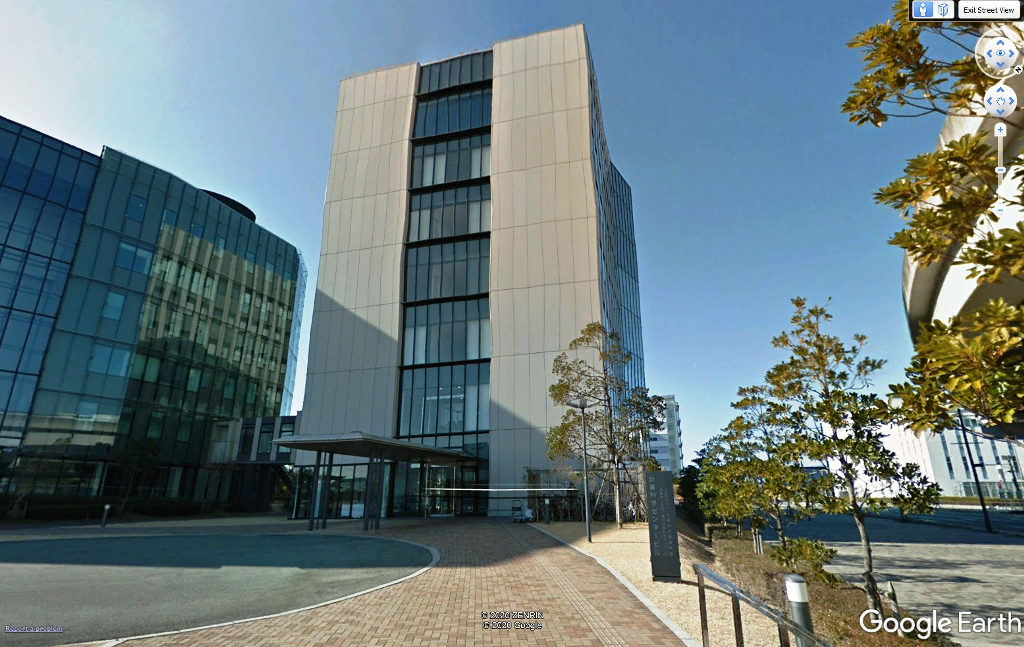
The world’s most powerful supercomputer, Fugaku is at RIKEN Center for Computational Science in Kobe, Japan on the south side of the main island. Technicians have been building Fugaku since 2014. When it is complete in 2021, it will be capable of calculating at least 1,018 floating point operations per second. Parts of it entered operation in June 2020. They have just run the numbers and concluded face shields are only an additional barrier.
How Face Shields Are Only an Additional Barrier
Scientists suspect most COVID-19 spread occurs through exchange of respiratory droplets. These are tiny water drops we expel when we breathe out. The SARS-CoV-2 virus causing COVID-19 can survive for days in their protective environment. However, the virus obtains a toehold in a new host when another person inhales it.
Hence, the infection only needs passive assistance from two people – one already infected – in order to spread. However, only their active intervention can stop this happening. The pandemic is continuing to spread because many people are still not doing this. They are still not wearing face protection which is their only effective barrier.
What Supercomputer Fugaku in Kobe, Japan Found
Fugaku discovered plastic face shields are only an additional barrier in the fight to prevent viral transmission. That’s because it found 100% of airborne droplets of less than 5 micrometers escape past plastic visors. Moreover, 50% of larger droplets measuring 50 micrometers also leak past when exhaled.
We cannot therefore rely on face shields, as our sole protection against giving, or receiving COVID-19 infection. However, they can help protect our eyes peering out from above our face masks. Hence RIKEN team leader Makoto Tsubokura says we should only use face shields as an additional barrier. And continue to rely on our face masks and coverings as our primary protection.
Related
Simple Things to Remember During Surges
COVID-19 Risk from Viruses Entering Eyes
Preview Image: 34°39’15.40″ N 135°13’13.56″ E