Variants are a major concern during the pandemic. We can mitigate their side effects, but not stop the power of nature. Global warming is a case in point, although we could control the drivers if we wanted. We can see human behavior behind the rise in variants too. But we have the power to manage their spread, at least in theory.
How the Peppered Moth Survived Extinction
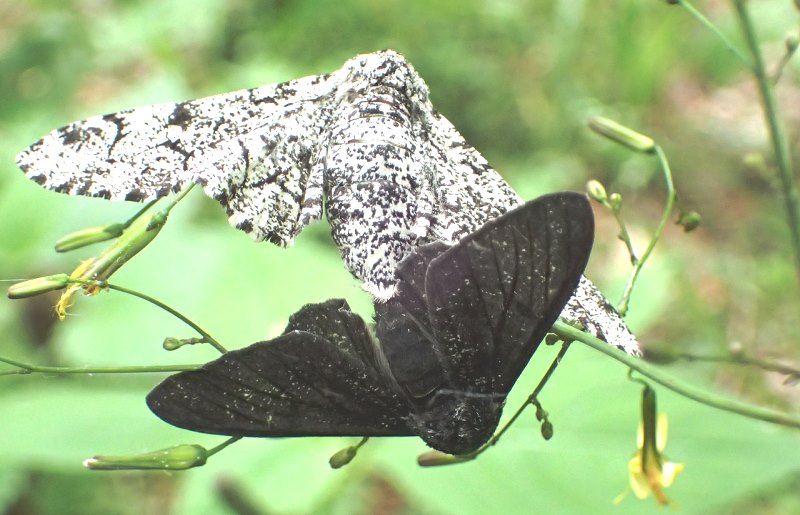
Peppered moths – see link below – are a case in point. The Smithsonian recalls they were mostly salt and pepper-colored in Britain before the first industrial revolution. But the dark ash from burning coal made it easier for predators to spot them in the sky at night.
However the few with a random darker mutation flourished, and continued propagating their species. Humans don’t have that option, and now we are under threat from industrial pollution too. Human behavior is also behind the rise in COVID variants, and we can’t know what’s around the corner with them. The only thing we know for sure is we can’t rely entirely on medical science.
How Human Behavior is Behind the Rise in Variants
Most COVID viruses in an infection replicate like the original clone. Some however, are randomly altered and that’s where the variant revolution begins. But they are not a threat to the human host incubating them. They have to jump to a new host before they can begin to spawn.
This means variants need our human cooperation to spread, and to potentially become a greater threat to our health. When we don’t wear face masks, socially distance, and take our vaccines we sign up to this process. What hope do we have of stopping this surge, we wonder. When we continue to play lip service to a century of creeping climate change.
Breaking News
How COVID-19 Affects People with HIV/AIDS
mRNA Vaccine Effectiveness Against COVID
Preview Image: Peppered Moth Variants
The Smithsonian Story of the Peppered Moth