Covid-19 variants spread between people through close interpersonal contact. The Conversation provides this example from South Korea. People from a church there met in close-knit groups with two infected people. Within two weeks there were several thousand more infections. And half traced back to those meetings. Let’s pause and review how the Coronavirus spreads and makes us ill in this and similar ways.
How the Coronavirus Spreads and Makes Us Sick
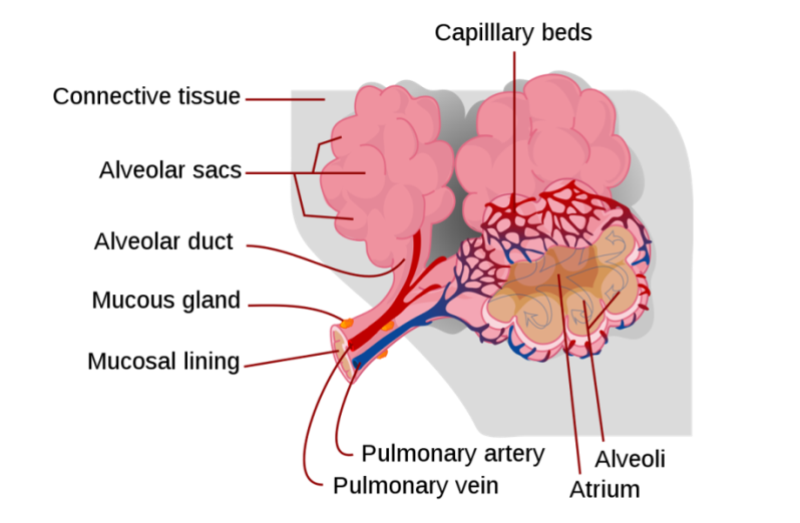
There are several different types of lung cells responsible for exchanging oxygen in our blood stream. However, the COVID-19 Coronavirus targets the Type II ones. These secrete a soap-like substance that helps the air we breathe slip deeply into our lungs. A similar mechanism operates in our throats.
Our natural immune system responds with a counterattack against COVID-19, as determined as any military one. It invades infected lung tissues, and causes great harm as it clears away the virus and all damaged cells. This can leave tissue damage from grape to grapefruit size, The Conversation warns. And this makes it harder to keep our blood oxygenated while the lung tissue repairs.
Why Oxygenated Blood is Necessary for Life
Our blood stream carries the oxygen to our brains, livers and other organs. These cannot function without it, and could soon die. However, only a few of us become that ill. Most of us find ourselves elsewhere on the scale of severity if we become sick.
People under forty generally experience mild symptoms, although Omicron outcomes may suggest otherwise in the next two weeks. Older people often become more ill due to aging immunity. People with high blood pressure are also at risk, because the Coronavirus enters via a protein that normally regulates the condition.
We considered how the Coronavirus spreads and makes us sick in this post. But why does the COVID-19 Coronavirus makes us sicker than seasonal flu? Find your answer in a post coming soon. Be better prepared as infections surge around you.
Breaking News
How the Coronavirus Gets Inside Our Bodies
Pfizer Strong Enough to Curb Severe Disease
Preview Image: Pulmonary Alveolus in Our Lungs