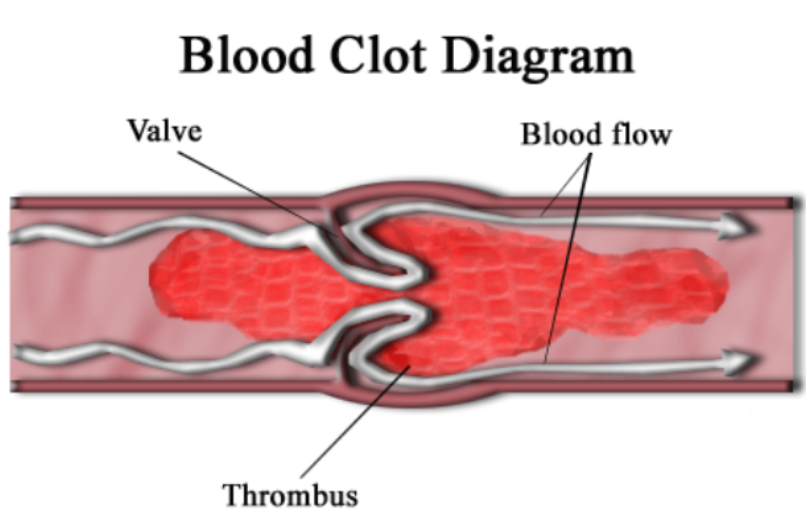
Two large new studies found the AstraZeneca vaccine blood clot risk is negligible according to Medical News Today. These followed after rare forms of thrombosis blocked veins and arteries in late February 2021. This latest data appears to put those early fears to bed, although fake news on social media may continue.
What the Studies Confirmed in Headline Terms
1… There is a small increase in the absolute risk of rare types of blood clot after the first AstraZeneca COVID-19 vaccine dose.
2… These rare intracranial venous blood clots in the head only occurred in individuals aged less than seventy.
3… There were no similar contra-indications following a first dose of the Pfizer-BioNTech COVID-19 vaccine.
4… However, the benefits of AstraZeneca vaccination far outweigh the risks in terms of severe disease protection.
How the AstraZeneca Vaccine Blood Clot Risk Emerged
First reports of the rare thrombosis appeared in the early phases of the COVID-19 vaccination program. They were in unusual locations such as veins in the head, and often accompanied by low blood platelet levels. However, the occurrences were so intermittent scientists were unable to calculate the risk.
They also did not know whether the chance of more common clot thromboses increased. Moreover, clinically vulnerable and older people had priority for vaccines who were already more prone to thromboses. And finally, doctors were more likely to monitor for the condition after reports emerged.
More Details of the Twin-Study Conclusions
The two studies pooled data from 46 million patients in the United Kingdom, of whom 21 million had their first vaccine dose between December 2020 and March 2021. They found as follows:
1… The first AstraZeneca dose associated with a small increase in the absolute risk of rare types of blood clot in the head.
2… However, there was no evidence of any increased risk of more common types of blood clot thromboses.
After adjusting for all factors the researchers concluded the AstraZeneca vaccine blood clot risk was between 0.9 and 3 extra cases for every million people, depending on age and sex.
Breaking News
The UK Enters a Different COVID World
COVID-19 Survivors at Increased Mental Risk