World Health Organization has confirmed there is no clear link between AstraZeneca’s COVID vaccine, and blood clotting. However, several countries including Iceland, Denmark and Norway had paused using it before this announcement. WHO assistant director-general, Mariângela Simão says people confused causation with correlation. This is why World Health dismisses AstraZeneca clot theories.
Causation Versus Correlation What’s the Difference
Causation is an absolute or highly likely relationship where ‘Factor A’ causes ‘Factor B’. An example could be where ‘Person C’ deliberately drops a glass of water on a hard floor causing it to break. Correlation, on the other hand could simply be a coincidence. If ‘Person C’ was in the room when the glass fell to the floor they did not necessarily cause the incident.
‘People die every day,’ WHO’s Mariângela Simão told The Hill news feed. ‘There will be people who have been immunized who will die of other causes. So far the preliminary data we have seen does not lead to a causal relationship.’ This is particularly significant because the AstraZeneca vaccine has a major role in the COVAX project to immunize developing nations.
World Health Dismisses AstraZeneca Clots But What Are They?
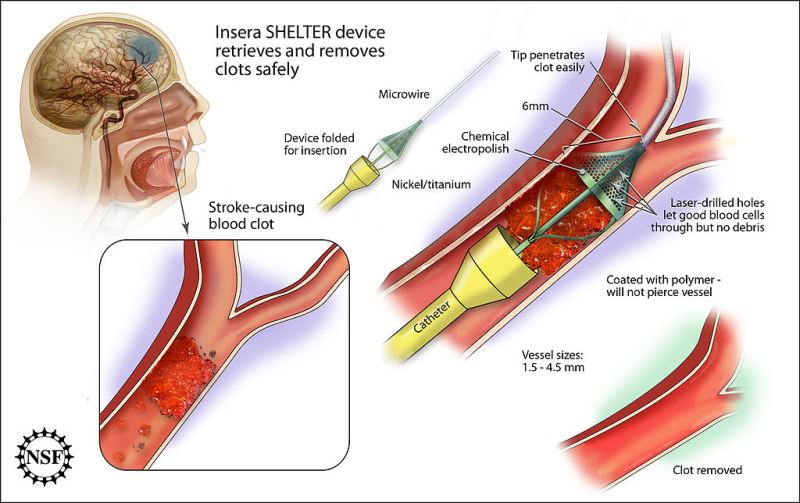
Special blood cells stop bleeding in healthy people, by forming a clot of drying blood over the injury. However, if this were to happen inside one of our blood vessels, this could impede the blood flow which might be dangerous. This ‘deep vein thrombosis’ also called ‘embolism’ can occur in a limb if we sit, or lie too long in a particular position.
Common factors correlating with embolism include pregnancy, smoking, obesity, birth control pills, and hormone replacement therapy according to Family Doctor. However, in this instance World Health Organization has denied AstraZeneca vaccine causes clotting. This confirms the ‘Oxford’ vaccine as the fourth member of the team approved to fight the pandemic.
Related
What is a Coronavirus Exactly, Do You Know?
Oxford Vaccine Squaring Up To New Variants
Preview Image: Embolism from Detached Thrombus