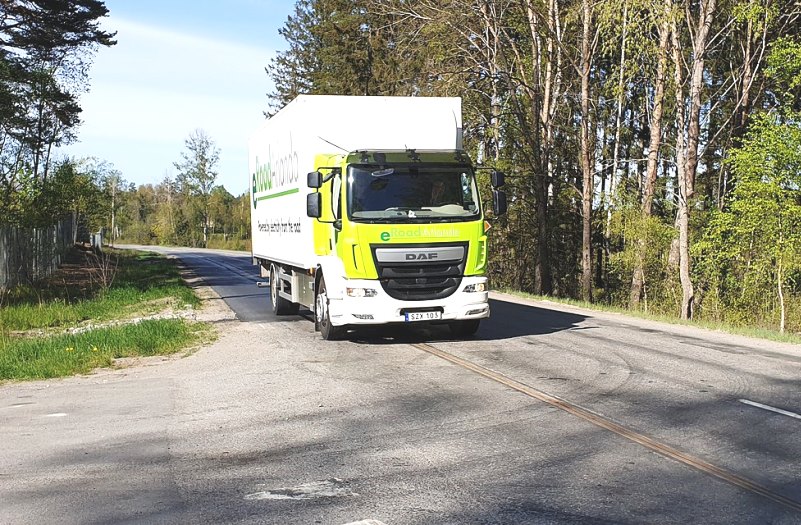
Oil prices seem set to boom, as we once again regret relying on a fossil fuel economy. We have to move away from fossil energy in any case, if we want to control climate change. But financiers keep telling us this would cost the economy too much. Might we afford a network of electric roads somehow, some day we wonder?
How Would an Electric Road System Work?
An electric road system provides energy to vehicles traveling over it. They could receive power (a) from overhead power lines, (b) through conductive rails or (c) inductive coils in the road. Overhead cables are really only practical for large commercial vehicles. The general consensus is conductive rails are the most universal solution.
Scientists from Turkey, Pakistan, and Egypt decided to compare the societal cost of electric roads, compared to batteries and oil. Because they believed electric roads are relatively affordable but needed to prove it. Moreover, they say these these are the only practical way to resolve electric vehicle range anxiety.
How We Could Afford a Network of Electric Roads
The research model was a hypothetical road journey covering 16,250 miles. The researchers concluded electric roads would enable smaller electric vehicle batteries, and that saving would cover the cost of the network.
But that is not the only way we could afford a network of electric roads, they say. If we generated the electricity without releasing carbon, this should be a significant step towards slowing global warming.
The study was one of many supporting Turkey’s goal of becoming fossil-fuel independent. However, we believe it contains truths that apply to the entire world. Perhaps it is time we lobbied our governments to start building electric roads. Perhaps it is time to start thinking seriously about universal electric transport?
Breaking News
Inductive Charging of Electric Vehicles