Wireless, or inductive charging of electric vehicles is a proven technology dating from 1894. That was when M. Hutin and M. Le-Blanc proposed an apparatus and method to power an electric auto. However, their idea dimmed on the pages of science after combustion engines seized the personal transport market.
But the Light Continued to Flicker and Brighten
Various, isolated projects continued, including an inductively charged bus in California in the 1980s. But there was greater promise when Massachusetts Institute of Technology transmitted a large amount of power using resonant coupling.
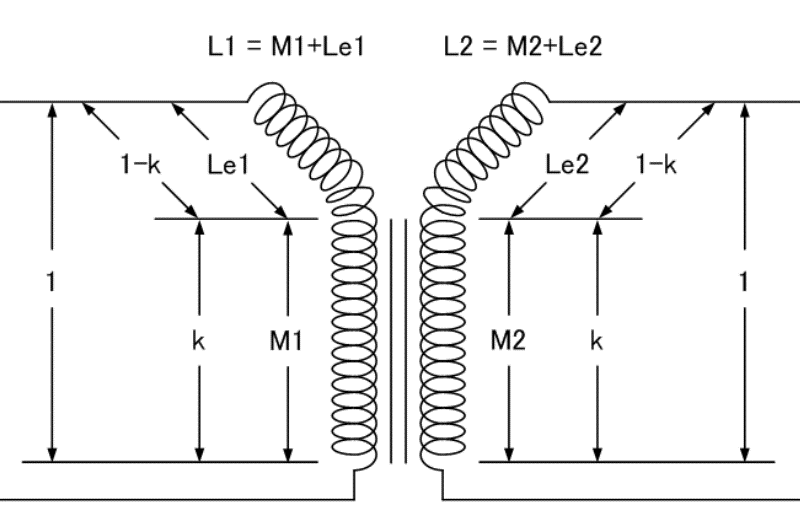
In this instance electrical energy passed between magnetically coupled coils. This then became the basis for inductive charging of electric vehicles.
Two Methods to Inductively Charge EVs
Stationery Charging
Stationery charging places one coil on the underside of the electric vehicle, and the other in or on the floor. There are thus no exposed conductors that could cause electric shocks. Car manufacturers have been following the idea since 2010, and the promise is beginning to take off.
Dynamic Charging
Dynamic charging provides power to electric vehicles on the move, drawing it from a rail or coil series. This enables the EV to continue operating during the process, which is a distinct advantage over stationery charging. Engineers are investigating ways to prevent this process damaging the road.
Current thinking involves constructing dedicated charging lanes. These would enable electric vehicles to extend their driving range without having to delay their journey. But there are some practical considerations delaying widespread electric transfer across air gaps this way.
The Current State of Wireless Vehicle Charging
These dynamic issues include balancing the load from multiple vehicles, and financing the set-up costs of special charging lanes. However, development of static charging stations is beginning to roll out. And roll out we must if we are determined to phase out gasoline engines.

Breaking News
Wireless Charging Electric Cars Comes Closer