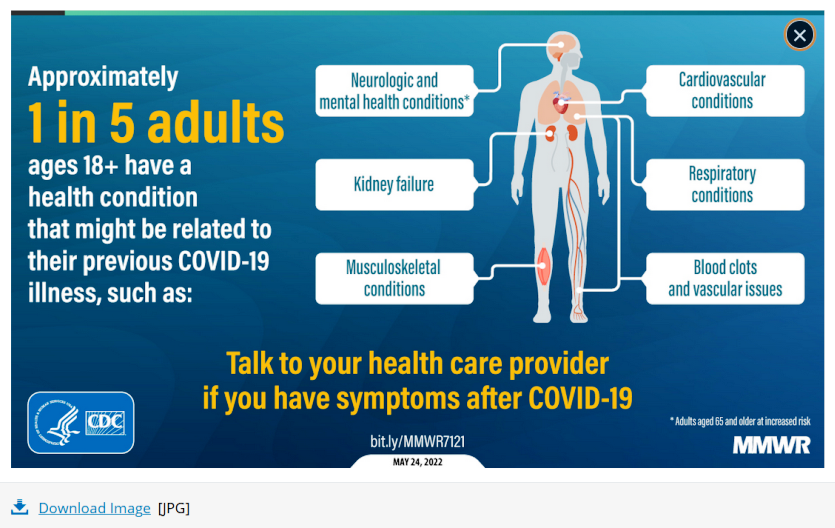
A new virus strain introduces uncertainty, because it takes a while for trends to emerge. In the interim we have clues, as the true picture emerges. The first Omicron case appeared in South Africa in November 2021. Since then it spread widely and produced enough data to address the question is Omicron Long COVID a lesser risk. Researchers at King’s College, London believe this is the case.
The Evidence Omicron Long COVID Is a Lesser Risk
Long COVID is a lingering version of the disease. Severe tiredness, shortness of breath, and cognitive dysfunction can last for months according to U.S. National Institute for Communicable Diseases.
The researchers at King’s College, London published their report in The Lancet on June 18, 2022. There’s a link to it at the end of this post if you would like to explore further.
Long COVID affected 10% of the people who caught the previous version, Delta. However, the King’s College team say the figure is only 4% with Omicron. Therefore, the risk of Omicron Long COVID is lesser for individuals. However, the total number of cases is higher because far more people have had Omicron than Delta.
Multiplier Effect Will Increase Health Support Burden
“You don’t really have any choice about which virus variant you might be infected with,” says Kevin McConway wryly. He is emeritus professor of applied statistics at UK Open University. “What’s more,” he continues “nothing in these findings tells us what might happen with a different new variant, in terms of Long COVID risk.”
The evidence indicates 1 out of every 23 people with Covid-19 has symptoms for more than four weeks. The King’s College researchers conclude the potential for large scale infection is a major concern. Health planners need to urgently allocate resources appropriately.
Breaking News
Do Babies and Toddlers Need COVID Vaccine?
FDA Committee Approves Moderna for Kids
Preview Image: Knock-On Health Conditions