There are three main types of lead-acid batteries, namely sealed, flooded, and valve-regulated. They mark the evolution of a remarkable product, yet each still has a positive role to play. All manage explosive hydrogen and oxygen gases arising from electrolysis during charging, but the difference is the way they work.
The Main Types of Lead-Acid Designs
Hydrogen gas is explosive in air, at even 4% volume. This is why we recommend charging lead-acid batteries in well-ventilated spaces, regardless of their design. Sealed lead batteries retain their gases, and recombine them in their chemistry. While flooded cells allow these to escape. Valve-regulated versions on the other hand control this process according to internal pressure.
Flooded Types of Lead-Acid Batteries
Flooded lead batteries have their electrodes covered by liquid electrolyte. Their gases vent naturally to the external atmosphere, requiring replenishing of their electrolyte with distilled water. They are higher maintenance but still popular for certain applications.
Sealed Lead-Acid Batteries
Sealed lead battery types, on the other hand contain their gases internally for recombination. This system should work well with good battery management. However, too high a rate of charge may increase pressure to the point where they rupture. They may also enter thermal runaway, or suffer mechanical damage.
Valve Regulated Sealed Batteries
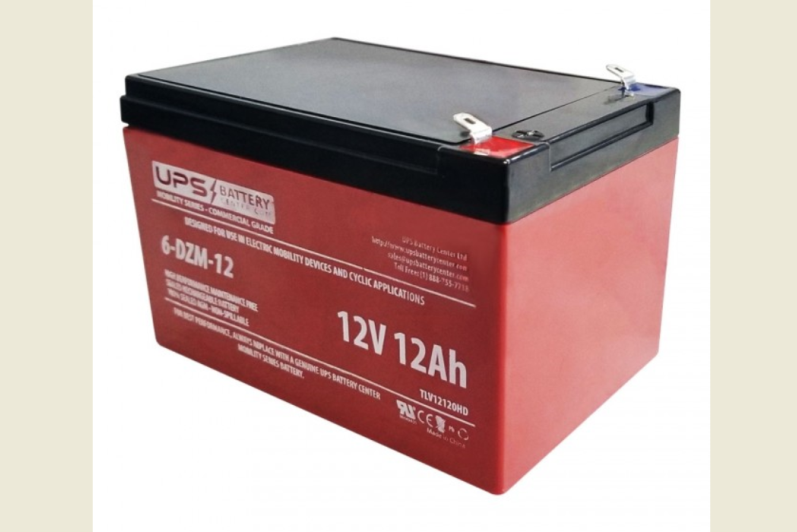
Valve regulated sealed batteries such as we manufacture are the industry standard for safe, long-life lead-acid storage. They have pressure-controlled spring valves that release gas when the pressure reaches a preset safety level.
This reduces maintenance during active service, in particular the need to add distilled water. However, it does not eliminate the need for regular inspection and testing.
Which Type of Lead Acid Battery Is Best?
Sealed lead acid batteries still have a role to play in basic energy storage, although they are not ideal. Valve-regulated ones are best for hands-off consumer applications. Many back-up battery sets are flooded versions, on account for the need to inspect and maintain tight tolerances.
More Information