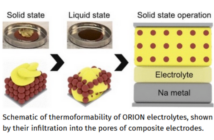
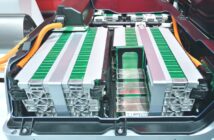
Lithium-ion batteries attract electric vehicle makers because of their high energy density. However, they also contain quantities of lithium, cobalt, manganese, and high-grade nickel that are in short supply in the West. North American and European start-ups are urgently reaching out to new battery technology that uses greener materials, and could also be considerably cheaper. There’s a possibility these new batteries could be more powerful too.
New Sodium and Sulfur Battery Technology Shows Promise
The new start-ups are generally focusing on sodium and sulfur in their chase, because these greener minerals are also abundant and therefore cheaper. However, as Reuters points out, their chemistry lags behind lithium. Sodium batteries store considerably less energy, while sulfur ones corrode faster, and don’t last as long.
Millions of U.S. dollars continue to pour into research into new battery technology, while China continues to dominate cobalt refining and lithium processing. U.S. and European battery scientists – and their Asian counterparts – know that cathodes in electric vehicle batteries hold the key. They also account for up to a third of the cost of battery cells.
Most electric vehicle batteries manufactured today, have either a nickel cobalt manganese-based, or lithium iron phosphate-dependent cathode.
- Nickel cobalt manganese-based cathodes store more energy, but use expensive materials.
- Lithium iron phosphate-dependent cathodes store less energy, but are safer and cost less.
More About Alternative Sodium and Sulfur Technologies
Lithium-ion technology leads in terms of recovering upfront costs, because those expenses have mostly been recovered through sky-rocketing sales. Sulfur and sodium, by contrast are hardly out the starter blocks, although they do have the advantage their competitors’ cobalt and nickel prices are soaring.
Sodium-ion definitely has a place, especially for storage and low-end vehicles, says former LG Chem executive Prabhakar Patil. However, start-up lithium-sulfur costs are likely to be much higher. Although this new battery technology could be a natural for low cost consumer electronics, with further development.
More Information
Ongoing Cathode Search for Perfect Batteries