Electro-chemical reactions associate with flows of electric current. This electricity may cause a reaction, or simply be the result of one. However, in most instances there will be an associated movement of electrons between a solid and a liquid material. We unpack this topic further in the next couple of posts.
The Nature of Electro-Chemical Reactions
A typical chemical reaction releases, or absorbs heat. However, many such events may also release electrical energy, in the presence of conductors able to move electrons along wires. But this energy can also flow in the opposite direction, when an electrical current triggers a chemical response. This is how:
- Controlled electro-chemical reactions produce electricity inside battery cells.
- Although a conversion in the opposite direction takes place via an electrolytic process.
These two principles enable us to discharge and recharge our batteries. They are also the building blocks of electro-chemistry, with which we can do so much more.
General Principles Moderating Electro-Chemical Processes

The materials inside a battery need to be reasonably conductive, before those two events can take effect. There are two types of such materials, namely metallic and electrolytic conductors, according to Britannica.
- Metallic conductors include lead sulfate, manganese dioxide, and graphite by way of examples.
- Whereas electrolytic conductors could be acids, or salts in water, or other suitable solvents.
Plate or rod electrodes comprising compatible metallic conductors, transfer the current through the electrolyte, triggering these electro-chemical responses.
Early Observations of Electro-Chemical Reactions
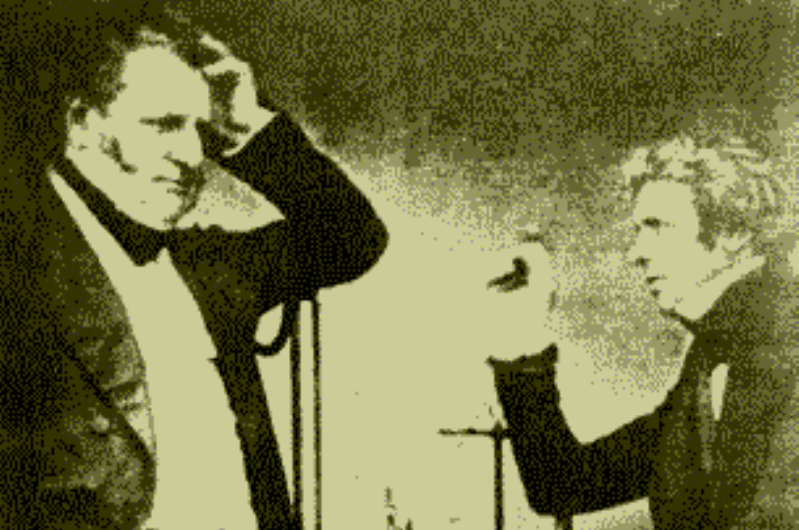
Electro-chemistry first attracted scientific interest in the 16th century, with the discovery of static electricity by German physicist, Otto von Guericke. Much research followed down the centuries, before Michael Faraday formulated the laws of electro-chemistry in 1832. Four years later John Daniell invented the first primary cell. Ah, how simple life seems to have been back then!

More Information
John Frederic Daniell (1790 – 1845)