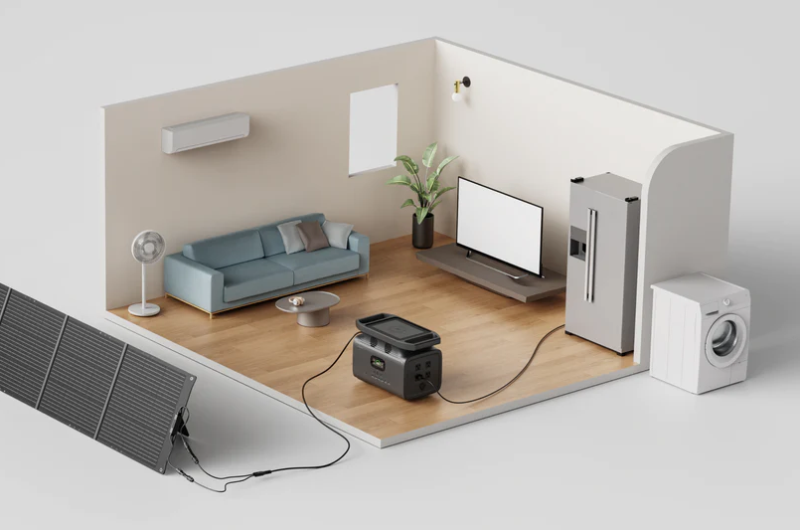
Gel lead-acid batteries and solar make a great team, on account of their lower costs and long lifetime. Their water-based aqueous battery electrolyte also cannot catch fire, as lithium-salt electrolyte may when overheating. An increasing number of home owners are considering gel lead-acid batteries, because safety matters more than lower energy density. We review key aspects of this tried-and-trusted combination.
Solar and Gel Lead-Acid Batteries in Action
Lead-acid batteries transfer sulfate to their electrode plates, from their diluted sulfuric-acid electrolyte as they gradually discharge. When they reach the stage where the sulfate blocks the flow of ions, they need recharging to return to their original state.
This gentle ebb and flow of chemicals teams well with the natural rhythm of earth’s night and day. A family with this combination in sufficient volume, can sleep peacefully at night, knowing their basic electric needs are secure. They need no longer fear a temporary grid outage. For them, their rhythm of life continues as before.
Purchase the Right Type of Lead-Acid Battery
We recommend teaming gel lead-acid batteries and solar power, because not all lead-acid batteries cycle the same way. Shallow-discharge ones deliver short bursts of power for electric starters, and recharge quickly when new.
Deep-cycle batteries are the preferred option for solar power installations, because they discharge far more gradually. But by the same token they take longer to recharge. Shallow and deep-cycle batteries are not interchangeable!
There are two types of deep-cycle batteries on the market. Experience suggests that gel lead-acid batteries and solar panels form a great partnership. This is because the gel version is more stable, and maintenance free bar the occasional visual inspection.
However, you should never allow a gel battery to discharge by more than 50%. Your inverter should beep an alert at this point. Remember, deep discharging means discharging gradually, not almost completely. Discharging more than 50% shortens the life of lead-acid batteries. Learn to avoid this whenever you can.
More Information
VRLA Lead-Acid Batteries Unpacked For You