For a series of historical reasons that we do not go into detail here, we have ended up with one foot in each of the direct and alternating current worlds. This causes some frustration. We can no more power our computers from our car batteries, than we can plug our starter motors into our home electricity sockets and crank the engine.
A Short Introduction to Alternating Current

Alternating current or AC as we call it usually reaches us from generating stations across long distances. The power supply flowing in the circuit is constantly switching back and forth fifty or sixty times a second, in other words the a rate of hertz. As a result electricity suppliers send it this way because energy is easier to transmit in bulk and therefore cheaper.
Setting complex math aside we do know that America chose alternating current for its prime source of energy in the 1880s, after Thomas Edison and Westinghouse slugged it out across the media. After that, domestic appliance manufacturers took up the call, providing the washers, driers, air conditioners and entertainment centers that flood our homes.
Direct Current, the Persistent Older Member
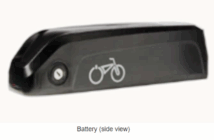
The earliest electricity we made, at least in modern times, came from batteries invented by the likes of Benjamin Franklin and Alessandro Volta. This DC power produces a steady flow of electric current in a constant direction, because the polarity does not switch as is the case with alternating power.
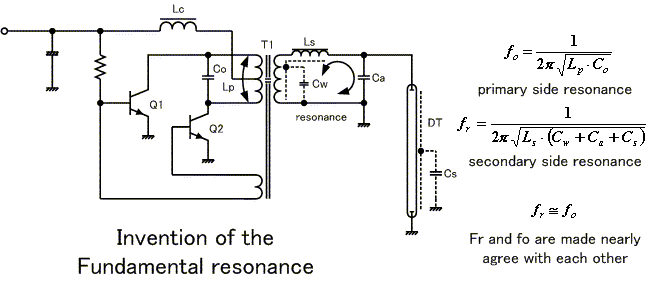
Thus the biggest difference is we can only use AC instantaneously, while we can store DC power in batteries and use it off grid. We can however shuttle between our two universes using alternators to control the power direction and input-output voltages. They have limitations. Everything does. Here is a neat explainer video if you would like to make your own inverter, and cross between direct and alternating current.
Related
How to convert solar power to electrical energy