The European Joint Review Committee (JRC) has oversight over individual EU member state reports. It recently completed a review of decarbonisation of transport, including heavy duty vehicles. This follows on a finding that lorries, coaches and buses contribute a quarter of road transport greenhouse gas emissions. The JRC review compared batteries and hydrogen fuel, and found that batteries are more cost effective.
Background to EU Joint Committee Review
The European Union has set a goal to reduce carbon emissions by 55% (compared to 1990) by 2030. Decarbonisation of all aspects of road transport is a key factor in this strategy.
Some progress has been made with electric light vehicles, although the take-up is falling behind target in terms of raw numbers. Decarbonising heavy vehicles is proving even more challenging, because of their heavy loads.
Comparing Battery and Hydrogen Gas Technology
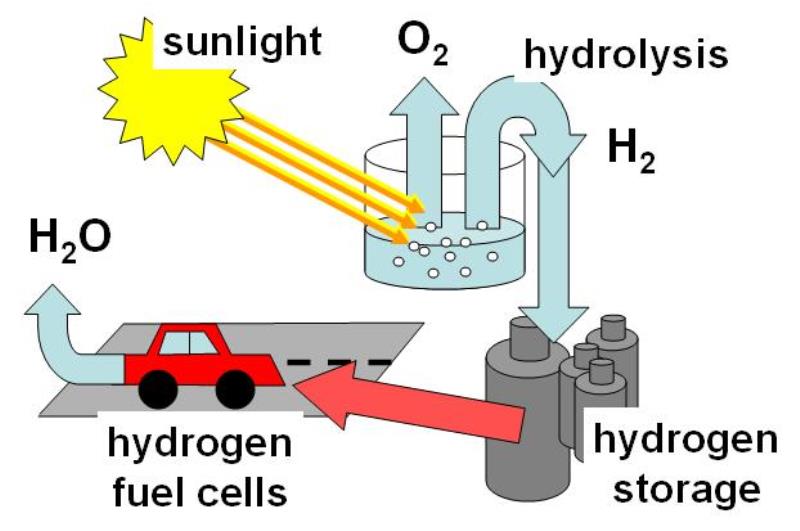
A battery-electric drive train replaces an internal combustion engine with energy storage, electric motors, and a plug-in charge point. Fuel cell propulsion systems, by comparison, include large hydrogen storage tanks, complex management systems, plus the fuel cells themselves.
Clean Technica explains how this complex system, especially compared to batteries, requires more costly maintenance. Hydrogen propulsion also has many more components in the drive train that could potentially fail. This brief overview highlights economic differences between electro-chemical batteries and hydrogen gas propulsion.
The JRC road transport study (see link below) was in depth, and addressed the following focus points:
- The decarbonisation policy within which new technologies will operate.
- The state of technical readiness of the various options on the table.
- Life cycle analyses in terms of economic and environmental considerations.
- Panel discussions with stake holders, with recommendations and conclusions.
From the above it seems clear that batteries and hydrogen are not on the same page in terms of costs. Road transport using heavy good vehicles is a highly competitive industry, in which operating expenses play a leading role in business strategies.
More Information
Grid-Plus-Battery Trains Surpass Hydrogen
Hydrogen Fuel Cell Electric Car Update