We received a report from Germany, regarding new regulations for transporting batteries coming on line on January 1, 2025. We’re unsure at this stage of the full impact of these rules on North Americans. Although if these changes limit battery fires on interstate highways, then that, surely, will be a good thing.
More About the New Rules for Battery Transport
The rules will introduce new ‘UN’ numbers for classifying dangerous goods, and for transporting batteries specifically. A phasing-in period will apply through the first half of 2025, with the exception of air transport, where the safety standards will apply from January 1, 2025 onward.
Amendments such as these come into force from time-to-time, as situations change. However, this time there is special emphasis on managing air transport. We were particularly interested in the standards for transporting certain batteries.
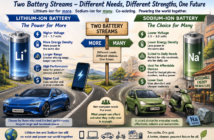
These new regulations for transporting batteries single out lithium and sodium batteries for special attention. Dekra says this is because both of these products ‘represent a particular danger because of the potential fire risk’. Lithium we can understand, although sodium surprises us somewhat.
The Role of Dekra in These New Regulations
Dekra is staying mum on this one, although we are reasonably sure the authorities would have consulted them. UN numbers are a four-digit series, assigned by the United Nations Committee of Experts on the Transport of Dangerous Goods. The codes identify explosives, flammable liquids, toxic substances, for example.
Dekra was established in 1925 to promote road safety through vehicle inspections. It grew to become Germany’s largest independent inspection company, and an acknowledged world expert.
The company currently employs some 49,000 people, who offer qualified and independent expert services in approximately 60 countries on five continents. Transporting batteries has become big business that deserves special attention, including these new regulations for transporting batteries.
More Information.
Safer Lithium-Ion Battery Transport