Hurricanes may push ocean water inland with devastating effect. Dozens of electric vehicles could be destroyed by flooding, which sometimes causes them to catch alight. This is at odds with the accepted fact that water extinguishes fires, and prevents them starting. How then do saltwater and electric vehicle battery damage lead to devastating fires?
How Is Saltwater Such a Powerful Electric Conductor?
Lithium-ion electric car batteries are tightly sealed in cases, using gaskets with high-waterproof ratings. These seals protect their contents from outside contamination. However, they may not be able to withstand an hour under water, according to The Conversation.
This may be due to distortion of battery cases following impacts. But electric car batteries also have various openings to equalize pressure, allow signal cables through, and charge and discharge their energy. All of these points are potential weaknesses, where saltwater and electric vehicle battery short circuits may strike.
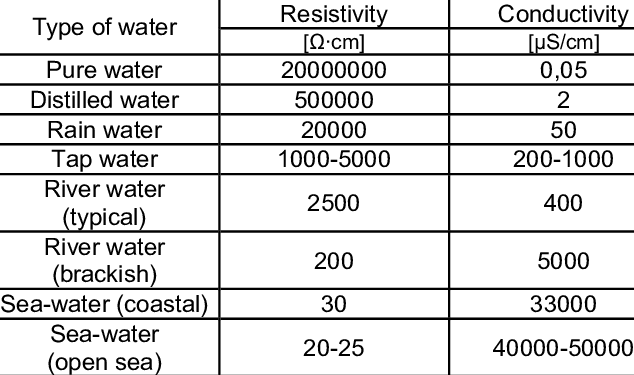
The salt in ocean water comprises sodium and chlorine ions, which float freely and make it a great conductor. Scientists measure the extent of this conductivity on terms of micro-siemens per centimeter (µS/cm). Here are a few examples of this phenomenon…
Conductive Range of Different Water Types
When Salt Water Enters an Electric Vehicle Battery
Batteries are designed to release their energy via their terminals to a circuit or device that regulates the flow. But when salt water enters an electric vehicle battery, it may short circuit the terminals causing corrosion and arcing.
This increases the energy flow in the battery beyond safe limits, and releases considerable heat. The corrosion produces oxygen and hydrogen gas too, again according to The Conversation website. But this process also moves some corroded material from the positive terminal to the negative terminal.
This accumulation can create a permanent short circuit bridge between the terminals. And that, in a nutshell, is how saltwater and electric vehicle battery short circuits occasionally cause electric vehicle fires after coastal hurricanes.
More Information
Batteries in Hurricane-Resistant Homes