If you need electricity explained in batteries and circuits, then you are on the right page. We’ll take you through a high-level summary in simple English you can understand. After you have read this article, you should know how batteries, circuits (and transformers) bring electricity to your home.
How Batteries Make Electricity For You
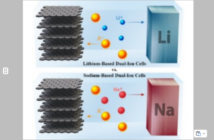
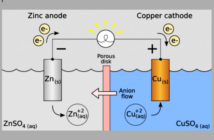
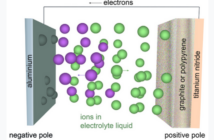
Batteries have two different reactive metal electrodes inside their cases. These metals are kept apart by an electrolyte, which can be a liquid or a solid material. These metal electrodes connect to external circuits, via separate tabs that attach to one metal each.
When we connect a circuit between the two battery tabs, a chemical reaction occurs between the two metals via the electrolyte. This reaction frees more electrons in one electrode than the other, because the two metals are of different materials.
You’ll have to wait a little longer to have electricity explained in batteries and circuits, because we are not done with the electro-chemical side of things yet. The electrode that releases more electrons connects to the positive battery tab: the other connects to the negative tab to define the polarity.
Turning to Batteries and Electrical Circuits
An electrical load, for example a light bulb, uses electricity to perform its work. If this electricity comes from a battery, then the electrons flow from the negative tab through the load, and then return to the positive battery tab. We can regulate this flow by a switch on the circuit.
Transformers Regulate the Power In the Circuit
Electricity, both from utility grids and batteries, must have voltage and current that matches the demand from a load. Transformers regulate these factors, so electricity can charge a battery or energize a circuit in your home.
Did we meet our promise of explaining electricity in batteries and circuits? Can you think of a suitable school experiment to demonstrate these principles. You are most welcome to share your ideas.
More Information
A Recipe for Future Battery Technology