A sudden interruption in the electricity supply is enough to convince us we cannot do without electricity. The television and house lights turn off in an instant, and plunge us into darkness. Thank heavens for our home battery and inverter, as our backup turns the power back on. Renewable energy is beginning to replace power stations this way, using batteries circuits and transformers.
Are Batteries Circuits and Transformers All We Need?
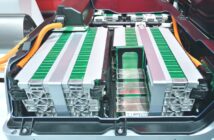
Batteries circuits and transformers play an increasing role in electricity supply to consumers. A battery farm, or array if you like, comprises a very large number of individual battery cells. Each one works the same way as the batteries in your phone, except there are many more of them.
The individual battery cells have electrodes of different metals, and an electrolyte ‘gate keeper’ that allows the flow of electrons between them. However, this transfer cannot occur without a suitable conductor connecting one end of the battery to the other.

The External Load at the Business End of the Battery
This ‘electric load’, as technicians call it, could be anything from a suitable wire, to a printed circuit board, to a transformer some call an inverter. You see, batteries put out direct current, whereas the electricity we use is almost universally indirect current. This is where transformers come in.
Transformers also play a vital role in moving electricity over long distances over utility grids too. U.S. Energy Information Administration explains how increasing voltage makes it more efficient, and less expensive to send power over long distances using transformers.
And that is how batteries circuits and transformers come together to supply affordable electricity to our homes, and protect us from power surges and blackouts during storms.
More Information
Grid-Forming Inverters to Jump Start Supply