The nominal voltage of different batteries is the claimed power their manufacturers assign to them. This is potential hot property, because users may confuse the amount of power with quality. But it’s more a matter of different horses for different courses as we explain here. Read on. You may discover facts you never knew.
Battery Design, Not Quality Determines Nominal Voltage
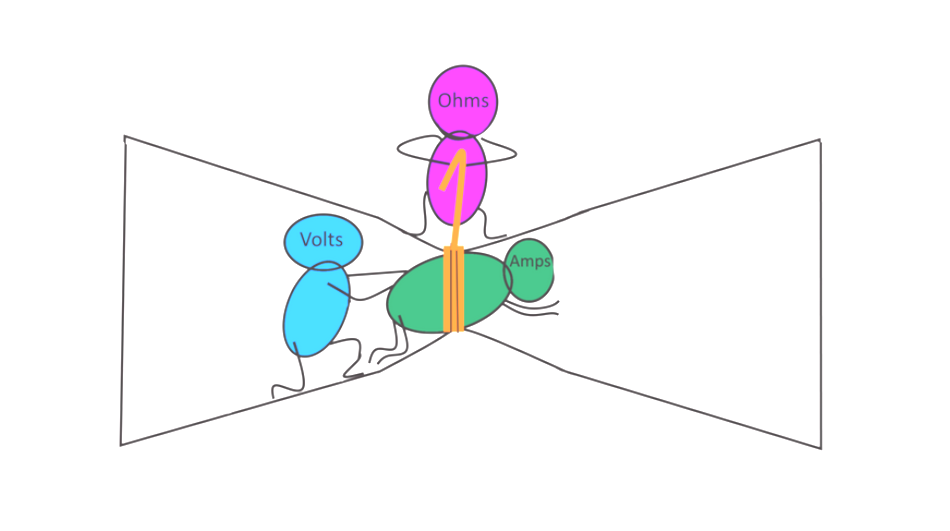
A battery’s voltage is the pressure with which it pushes charged electrons through a looped circuit. This is greatest when the battery is fully charged, so manufacturers agreed to use the following to describe what users may expect to get on average.
These nominal voltages vary between different types of batteries, owing to their chemistry and the specific active materials they utilize.
- Lead-acid batteries – 2 volts per cell.
- Nickel-cadmium batteries – 1.2 volts per cell.
- Nickel-metal-hydride batteries – 1.2 volts per cell.
- Lithium-ion batteries – 3.6 volts per cell.
The above are the official norms. However, some manufacturers may rate their products slightly higher, to gain a marketing advantage according to Battery University. This may boost their watt-hours on paper, but paper alone cannot change chemistry!
Factors Influencing Higher Voltage in Lithium-Ion Batteries
Researchers are constantly tweaking lithium-ion battery design, in an attempt to stretch the voltage. This involves experimenting with different cathode and anode materials, and reducing battery impedance. For example:
- Nominal lithium-ion mid-range voltage is 3.6 volts per cell as mentioned.
- Whereas lower internal resistance in lithium-manganese delivers 3.7 volts.
- However, such small differences do not affect operation of portable devices.
Higher nominal voltage in lithium batteries may shrink both cycle, and calendar life. Stick to brands you trust, they’ll do the homework for you. But always keep your eye out for new innovations as well.
More Information
Assessing a Battery at a Glance