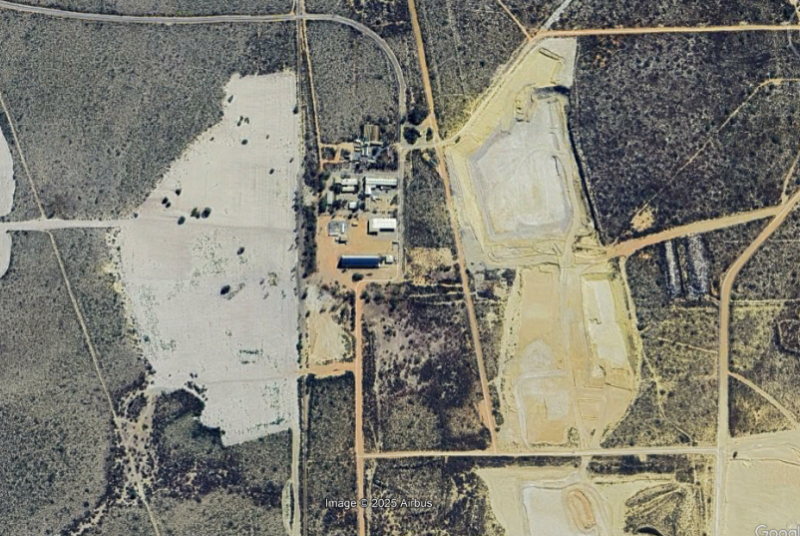
‘Rare earth metals’ is actually a misnomer, because the term distracts us from the fact that these elements are not scarce. They are actually abundant in small quantities, but are spread thinly as trace impurities across Earth’s crust. The Australian rare earth metal cache is a notable exception to this rule, but it has been lying dormant as mining waste. The government there just lent the owner one billion dollars to mine that waste.
What Have Rare Earth Metals to Do With Batteries?
The seventeen rare earth metals include cerium, dysprosium, erbium, europium, gadolinium, holmium, lanthanum, lutetium, neodymium, praseodymium, promethium, samarium, scandium, terbium, thulium, ytterbium, and yttrium.
A number of these elements play important roles in renewable energy technology, where batteries claim their increasingly important role. The Australian rare earth metal cache stockpile is rich in dysprosium and terbium. The owner is sitting on a million-ton ‘gold mine’ of a different kind!
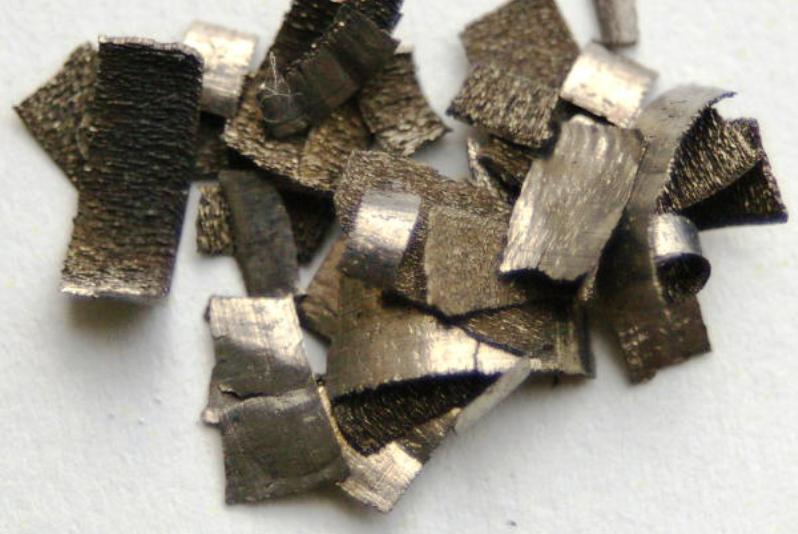
- Dysprosium plays a role in laser materials and commercial lighting. The rare earth element is in increasing demand for permanent magnets in electric vehicle motors, and wind turbine generators.
- Terbium is used in electro-chemical fuel cells, naval sonar systems, sensors, and other magneto-mechanical devices. We also find it in fluorescent lamps, color TV tubes, and flat screen monitors too.
More About Australia’s Next ‘Gold Mine” Boom
This amazing cache of Australian rare earth metals within reach of the developed world, is in the vast hinterland of western Australia. There, a deep hole that dwarfs most others is full of seemingly worthless dirt, according to BBC News.

That ‘worthless dirt’ is what remains after the mining company extracted zircon and titanium dioxide for ceramics, and pigments for paint, plastics and paper. Perhaps they did not know this left concentrated dysprosium and terbium behind!
Maybe they did not understand the value of these rare earth metals previously, but they sure do now. They are developing a refinery at maximum speed. They hope to supply a significant proportion of Western demand for rare earths by 2030.
More Information