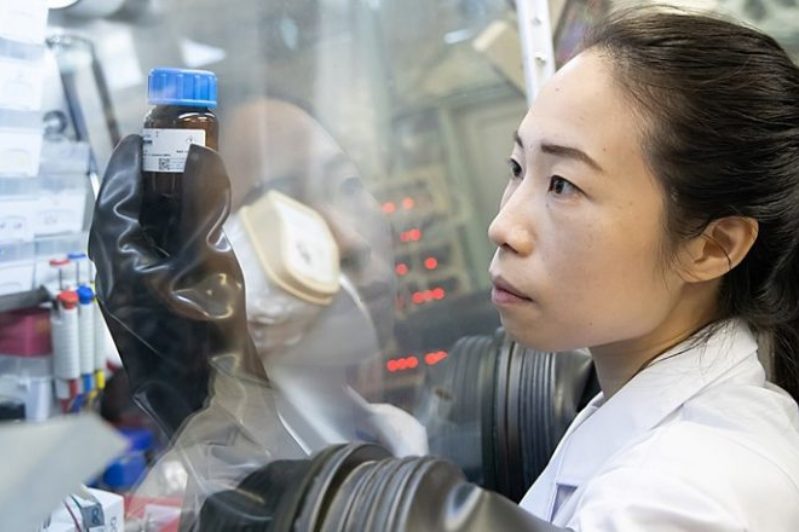
Professor Yi-Chun Lu works at the Department of Mechanical and Automation Engineering, at the Chinese University of Hong Kong. She dedicates her time to pursuing her dream of a better battery for clean energy. In her mind she imagines a safer, cheaper and more environmentally-friendly battery, as a substitute for commercial lithium-based alternatives.
A Better Battery For a Growing Global Population
Yi-Chun Lu has a broad social lens, because she wants to reconcile two conflicting priorities. The world population is growing rapidly, but has a universal need to reduce the carbon footprint in our atmosphere.
She believes we need a ‘whole new generation of safe, low cost and environmentally friendly batteries’ to tackle this challenge. In her mind we need to replace commercial lithium batteries with a new technology.
Yi-Chun Lu has followed her dream, and created a battery that uses a water-based electrolyte system. This replaces the flammable electrolytes typically used in lithium-based batteries, while being non-toxic and seven-times cheaper.
Her idea of a better battery for clean energy that is water-based, is not new. Many have tried it, but they have failed to generate sufficient energy to make the idea commercially viable. So what has Yi-Chun Lu done that makes such a difference?
Professor Yi-Chun Lu’s Clean Water-Soluble Polymer
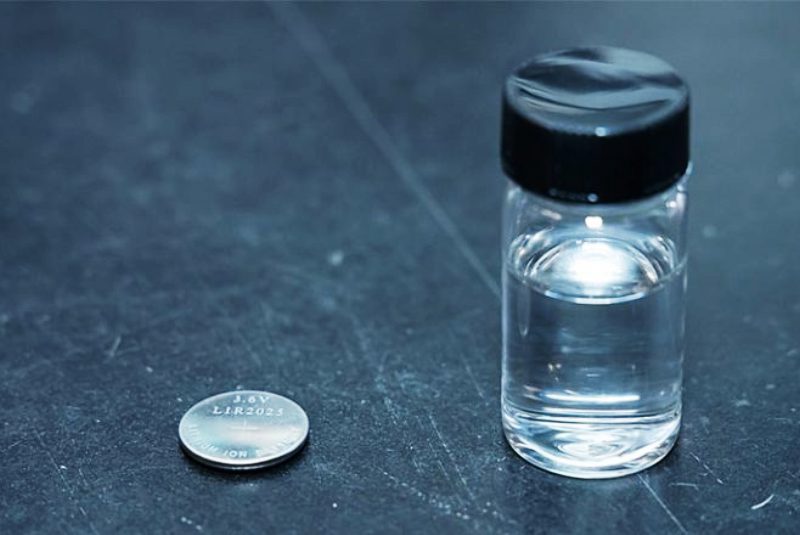
Professor Yi-Chun Lu has found a fresh use for the water-soluble polymer, polyethylene glycol (PEG). This acts as a ‘crowding agent’ that surrounds water molecules with hydrogen bonds. This protects the water from decay, and enables 3.2 volts output. This rating compares well with low-end lithium-ion batteries.
“This is a breakthrough,’ says Prof. Lu. “PEG is commercially available as an ingredient, lightweight, and 30 to 100 times cheaper than lithium salts. It is also non-toxic and does not harm our environment.”
More Information
Polymer Electrode for Water-Based Batteries