We have been giving almost all our attention to lithium lately in our blog. Poor old graphite hardly gets a mention despite the fact it often serves as the companion battery anode. Accordingly, we decided to correct this by exploring the origins of graphite in batteries.
Are We Talking About the Graphite in My Pencil Too?
Indeed we are. In fact, graphite has many uses. In America, approximately half of graphite production ends up in batteries. About a third of the remainder goes to iron foundries as molds and conduits for molten metal. Other applications include brake linings, lubricants for locks, and yes lead pencils too.
More Things about Graphite We Did Not Know

Our journey into the origin of graphite in batteries took us back 6,000 years. In those days, our ancestors used it to make drawings on the walls of caves.
Five hundred years ago, English farmers were using it for marking sheep.
England’s naval power benefited from faster cannonballs cast in smooth graphite molds.
So What Are the Origins of Graphite in Batteries?
Graphite and carbon are cousins. We could almost say that graphite is a mutation because it combines the same elements in a differing format. There are three ways to produce graphite. Firstly, we can mine it, although the resource is not infinitely renewable.
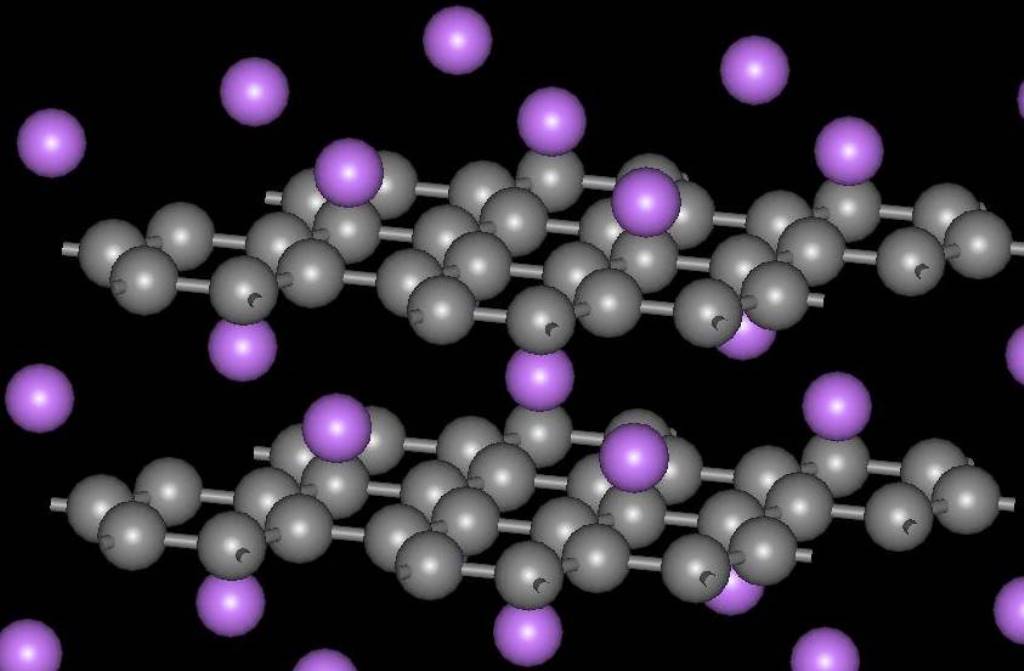
Secondly, we can produce a synthetic version by heating coal-tar pitch or petroleum to three thousand degrees celsius.
This separates out or destroys everything else present in the material.
The third alternative, recycling graphite anodes from old batteries is not currently cost-effective on a large scale.
Diamonds and Graphite are Cousins Too
Diamonds formed ages ago under huge heat and pressure in Earth’s silicate rocky mantle. Natural graphite in batteries formed closer to the surface under gentler conditions. The two carbon spin-offs have the same components but these are arranged in different structures. Scarcity determines price. Diamonds have it at the moment.
Related