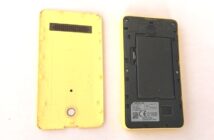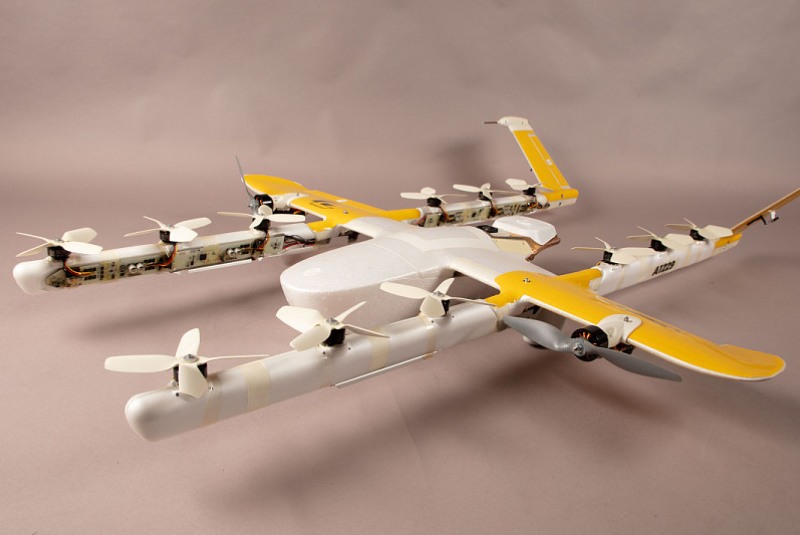
imagine batteries flowing into spaces, instead of manufacturers designing electrical devices around their rigid shapes. What a difference this could make to the weight and size of our wearables and drones.
The Institute of Electrical and Electronic Engineers (IEEE) published a thought-provoking article on February 3, 2026, that we link to below. When we opened it, we discovered that batteries could soon start flowing into devices, and we’re not kidding.
The Small Battery Start Up With Imagination
Many great ideas begin with a spark of imagination, and the will-power to see it through. In this instance, the catalyst is an engineer who cut his teeth on designing Formula 1 racing cars. Now the U.S. Air Force has given him $1,35 million to prove his flowing batteries are feasible within 18 months.
The engineer first imagined batteries flowing into spaces in electric vehicles. But he soon realized these largely-rectangular vehicles are able to accommodate standard, mass-produced batteries.
He needed to imagine his batteries flowing into spaces in smaller, irregularly-shaped equipment, he decided, that would benefit from his idea. It was not long before he shifted lanes to smaller devices with wasted space suitable for 3D printing.
3D Printing Batteries In Spaces in Devices
We’re not exactly sure how this idea works. However, IEEE assures us the engineer found equipment that 3D-prints battery anodes, cathodes, separators and cases in spaces, without requiring metal casings.
We would seriously question whether this is true, were it not for our reliable source. Imagine batteries flowing into spaces, adjusting to shapes, and filling voids as 3D printing adds the active components.
The engineer in our story explains, “Things are shrinking, so we’re shrinking around it. Electronics are becoming embedded, consolidated, and optimized. Batteries are the only part of that equation that’s being left behind.”
More Information
Lunar 3D Printed Batteries on Horizon
3D Printing Next Gen Battery Electrodes