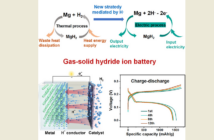
Spatiotemporal thermal energy storage, enables us to store energy in ways that work across space and time. This is more flexible than storing heat where and when we generate it, and using it right away.
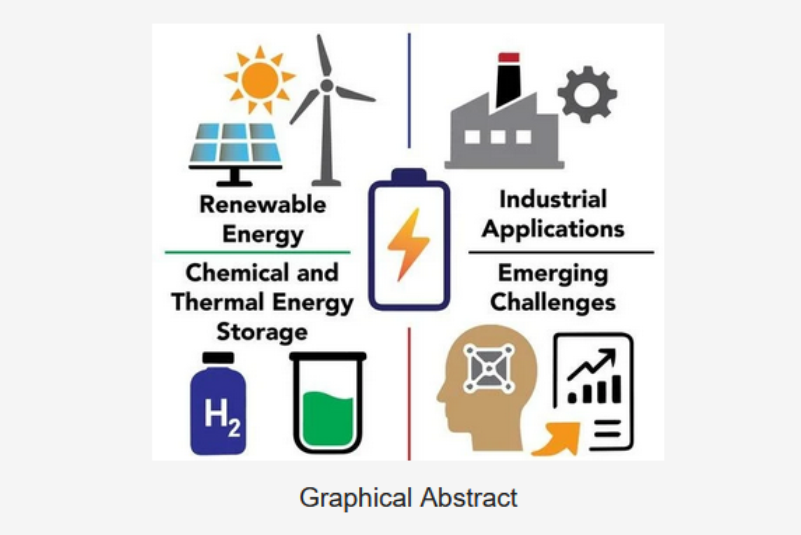
We could use this approach to store intermittent wind and solar power, that are fragmented and variable. Storing their energy in this way reminds us of a ‘heat battery’, which preserves energy for later use.
Storing Energy Across Space and Time
Researchers in diverse nations are developing materials that can capture heat when energy is abundant. And then secure it safely for long periods, and release it later where, and when someone needs it.
Spatiotemporal thermal energy storage, therefore simply means we manage heat across both space and time. For example, we could collect solar heat in one place during summer, and use the energy to warm homes elsewhere in winter.
A research report in Wiley, that we link to below, explores advanced phase-change materials. These materials can absorb large amounts of heat as they melt, and release it when they are solid again.
The researchers who prepared the Wiley report are exploring ways to improve the efficiency of heat storage in materials. And then how quickly these transfer heat, and how safely they can be reused many times over.
How Could We Use Energy Spatiotemporaly?
We recall writing a while ago about a global energy grid, whereby the nations would share renewable energy across space and time zones. That was just a theory at that stage, although spatiotemporal thermal energy storage, brings us closer to reality.
In this particular instance, the researchers were interested in developing batteries that worked across a wide range of temperatures. This is part of the green solution, although the long-term goal is universal global renewable energy.
More Information
Coping With Renewable Energy Doldrums
Trains Full of Renewable Energy