We remember our fathers complaining that our family guzzlers used more gasoline on holidays. Do you really need all that stuff for a one-week camping trip, we remember them asking. So we ought not have been surprised to hear of heavier electric cars draining EV batteries faster, although surprisingly, we were.
Heavy Cars Take More Energy to Move
China Daily reminded us of this phenomenon on June 1, 2026, They say Chinese electric car makers are adding more smart accessories, bigger batteries, and more comforts. Perhaps they are chasing the western desire for luxury, but the impact should be obvious.
Bigger batteries, larger bodies, and extra creature comforts add up to heavier cars draining EV batteries faster. This is reducing driving range, and making it tougher for electric cars to reach into new markets.This sounds like a self-inflicted dilemma to us!
Increasing Weight Consuming More Energy
China Daily provides information they obtained from Chinese Ministry of Industry and Information Technology. This reveals that the average weight of electric passenger vehicles was 2,900 pounds (1,300 kilograms) in 2012. But this had become 3,750 pounds (1,700 kilograms) by 2024.
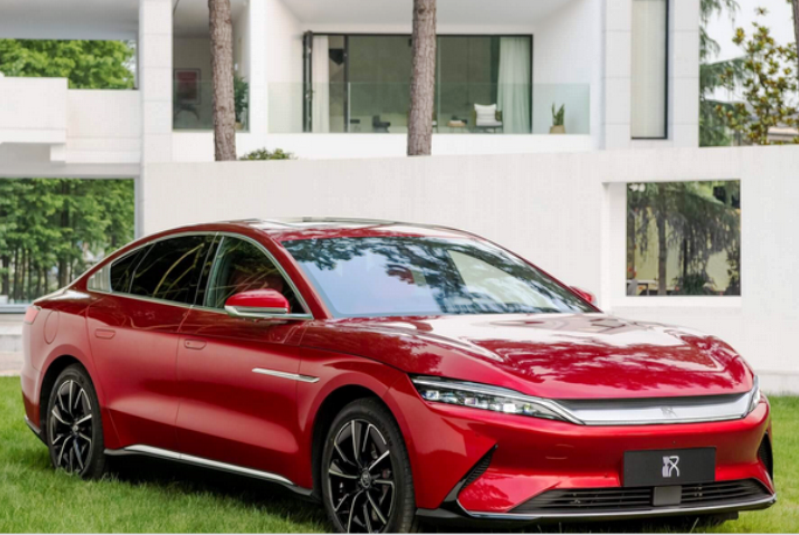
By our reckoning, that’s sounds like a 29% increase, which is getting closer to a third and apparently accelerating. In practical terms this means there are larger electric cars from the likes of Nio, XPeng, Li Auto and BYD, again according to China Daily.
Is the Desire for Luxury Draining Batteries?
This trend reflects a growing desire for larger vehicles, with accessories like bigger information screens, luxury seats, and on-board mini-refrigerators too. Although it undoubtedly is also due to larger battery packs and longer driving ranges.
Is this flying in the face of the green dream of an energy-efficient world? Increasing our renewable electrical energy consumption also comes at a cost, because this is not entirely carbon neutral either.
More Information
Lighter Battery Enclosures And Driving Range
Lithium-Sulfur Battery Range Extender