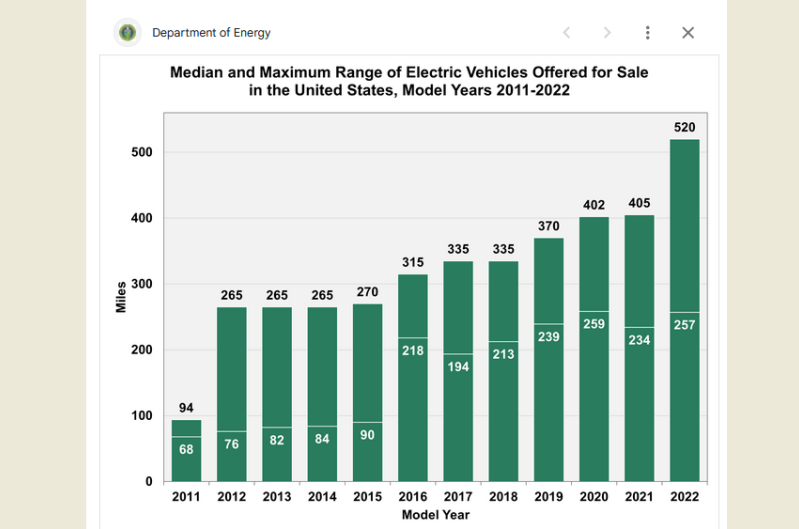
Driving range can be the most important criteria when considering converting to personal electric transport. This expression refers to the distance a vehicle should be able to travel on a fully-charged battery. We already know that both battery type and driving style have an influence. But what about ambient outside temperature?
Does Ambient Temperature Affect Driving Range
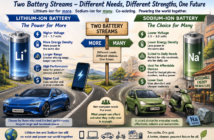
A battery is a chemical reaction inside a casing containing an anode, a cathode, a separator, and electrolyte. All chemical reactions slow in a cold environment. This is particularly true if the battery electrolyte is liquid, which is still generally the case.
This tardiness in winter is certainly true in the case of battery charging on cold mornings. There is ample evidence suggesting that it can take twice as long to charge an electric car battery in winter. Sure, we can speed this up with fast charging, although there are question marks over how this affects the life of the battery.
Car Magazine Compares Battery Driving Range in Winter
Car Magazine, as relayed by Telegraph website, decided to put theory to test in Bedfordshire County, England. This region in the east of the country has an average outside temperature ranging between 1.5º C and 22.4º C, according to season. It would therefore have been a chilly morning when Car Magazine ran their test in March 2024.
The team responsible for the test began their experiment by parking a dozen different electric cars outside overnight. This is representative of what generally happens in England nowadays. The batteries would have felt the temperature falling, leaving them at a disadvantage when testing driving range.
What The Car Magazine Tests Revealed
The overall result of the test reveals that on average the driving range was a third lower than ‘manufacture estimates’ on the day. This proves what experienced electric car drivers should already know. The difference is similar to the official ranges for diesel and petrol autos according to Telegraph. Perhaps someone should ask why.
More Information
Electric Vehicle Range – Auxiliary Factors