Electrochemical batteries convert chemical energy into electricity. How they do this this remains a mystery to many folk who use them. We unpack this thought with what we consider are the three most interesting things about batteries. Please stay with us for a while as you discover what’s happening inside your batteries.
1. Batteries Turn Chemistry Into Electricity
A battery stores its energy in chemicals inside it. Chemical reactions release electrons at one electrode, and accept them at the other as they discharge These electrons travel through an external circuit as electricity, and can power a device.
Meanwhile, inside the battery, charged particles called ions move through the electrolyte between the electrodes, to maintain the chemical balance. This direct conversion of chemical energy into electrical energy makes batteries both efficient and versatile.
2. Tiny Particles Move Through Solid Things
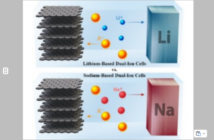
This is perhaps the most interesting thing of all about batteries. Sodium-ion and lithium-ion batteries use a process called intercalation. Sodium and lithium atomic-sized ions, slip into and out of the crystal structures of electrodes, during charging and discharging,
The host materials remain largely intact, while the ions move back and forth. This process allows a battery to recharge and discharge many times, and deliver energy repeatedly for as long as the electrodes last.
3. Batteries Make Their Own Interesting Protective Skin
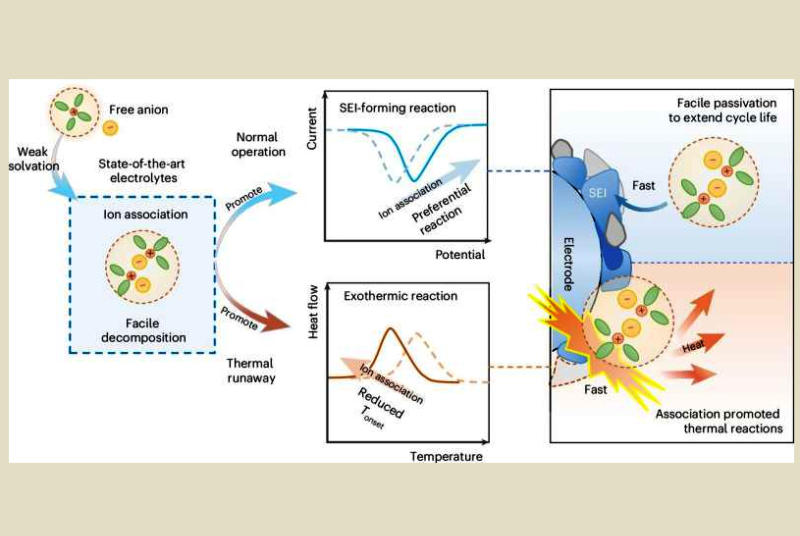
Many rechargeable batteries form a thin layer on the surface of one or both electrodes. Scientists refer to this as the solid electrolyte interphase, or SEI. This layer develops naturally, as the electrodes and electrolyte react during early charging cycles.
SEI acts like a gatekeeper, allowing ions to pass through while blocking many unwanted reactions. Without it, the battery would lose its power and capacity far more quickly. Researchers spend considerable effort improving this, another very interesting thing about batteries.
More Information
Electrochemistry in Batteries Unpacked