Flow battery membranes separate positive and negative electrolytes, while allowing ions to flow between them. Scientists at the Department of Energy have invented a new flow battery membrane at Lawrence Berkeley National Laboratory. Observers are wondering whether this is the affordable grid scale storage solution we have been waiting for. We decided this was something to share.
A New Class of Polymers for Affordable Grid Scale Storage
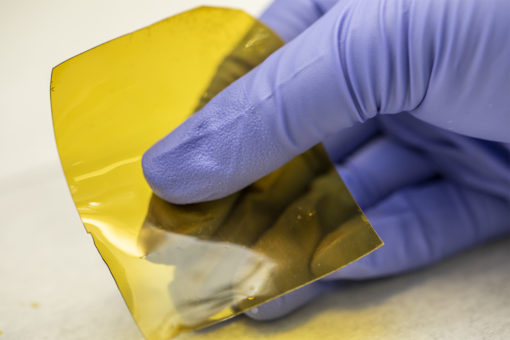
The Berkeley Lab scientists made their new membrane from aqueous-compatible polymers of intrinsic micro-porosity (Aqua Pims). They used common materials including iron, water and zinc. These hold the cost of their invention down, but that’s not all they do.
They hope their brain child will be useful for renewable energy storage, they say. Furthermore, they invite other researchers to share their knowledge. That’s because it could enable affordable grid scale storage when the sun is not shining and the wind has fallen away. Another attraction is the speed with which the ions travel between electrolytes.
An Exceptionally Stable Flow Battery Membrane
The researchers modified their new Aqua Pim membrane with the chemical amidoxime which has proven useful in creating new substances previously. When they experimented with different battery chemistries they ended up with unusually stable alkaline cells.
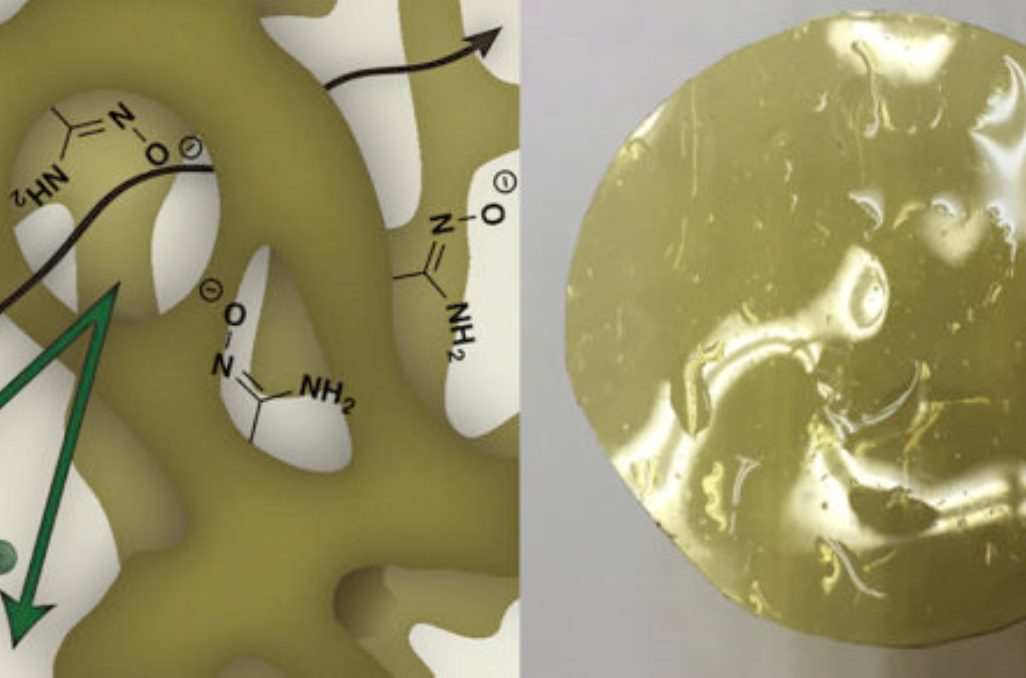
However, the team from Lawrence Berkeley National Laboratory discovered more than that. They found their new technology resisted pore collapse under highly basic conditions in alkaline electrolytes. Now, they have scheduled further testing of their new Aqua Pim membranes in a wide array of flow batteries. They told Design News they hoped their work will help researchers studying other battery chemistries for grid storage.
“Typically, you’d have to wait weeks if not months to figure out how long a battery will last after assembling the entire cell,” they say. “However, our new membrane screen could reduce this to days or even hours.”
Related
Flow Batteries Boost NZ Rural Telecoms
Organic Flow Battery Molecules Live Longer
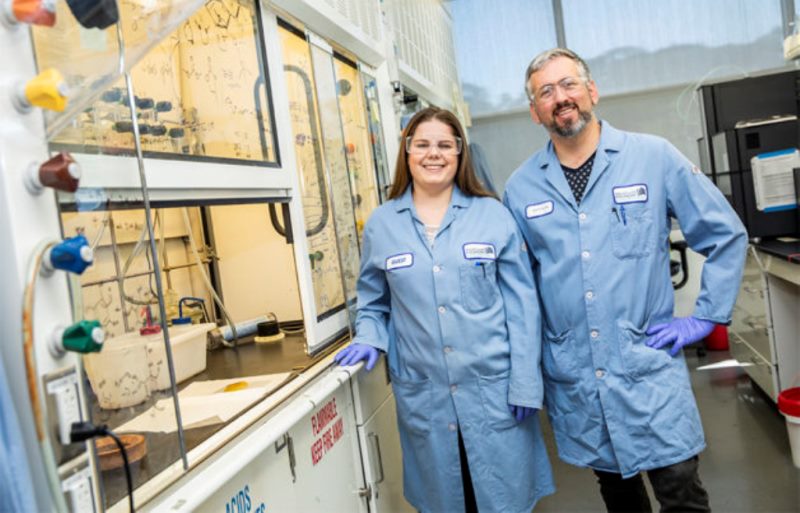
Preview Image: Berkeley Flow Battery Researchers