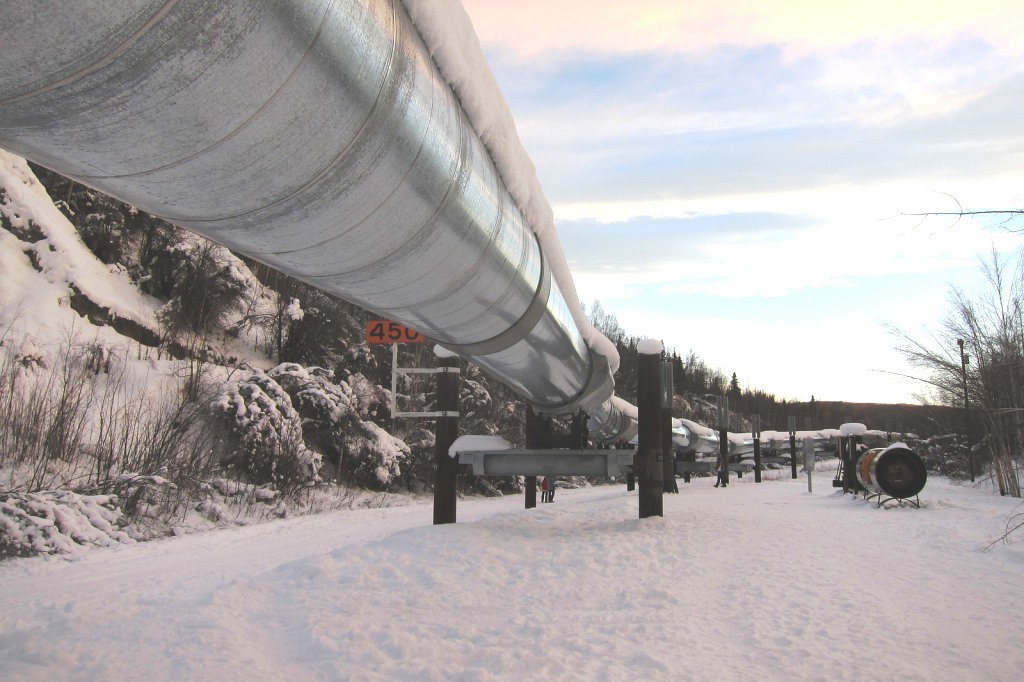
Alaska’s own carbon emissions are low, because of limited industrialization. Moreover, it harvests a quarter of its energy from hydropower and wind. However, it indirectly causes high carbon emissions elsewhere. This is because 90% of Alaska state income is petroleum from its North Slopes region.
How Alaska Plans to Stand Up
Gov. Bill Walker has created a Climate Action for Alaska’s Leadership team to tackle the challenge. He has appointed Lt. Gov. Byron Mallot to lead it.
Mallott is also a Tlingit clan leader in Southwest Alaska. His son is a commercial fisherman with whom he sometimes spends summers. The younger man sees strong indicators of changes in the oceans.
He told his father he was “uncomfortable, sometimes even fearful, being on the ocean now because so much has changed.” The changes are palpable, and they are significant his father adds.
Byron Mallot’s Dream for a Somewhat Greener Alaska
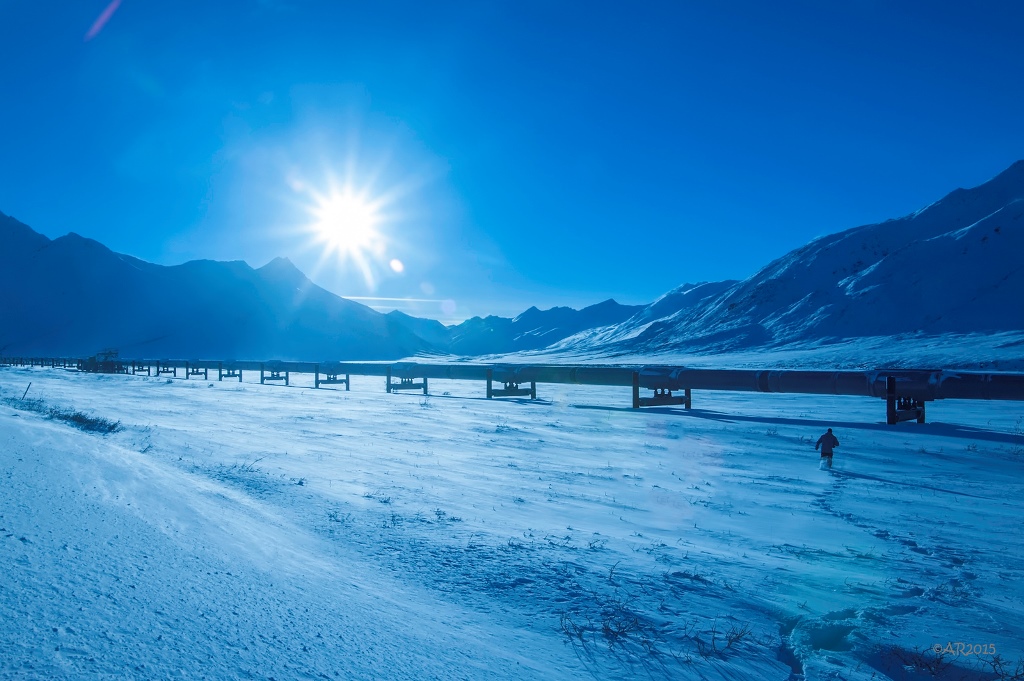
The coast faces increasing erosion and stronger storms from rising seas and melting ice, and concerns about the effects of melting permafrost. The Lt. Gov. supported oil production “for national security purposes, for market purposes, and for revenue purposes for our state,” he concedes. Now he has a wider vision.
Byron Mallot wants Alaska to focus on natural gas production on the Northern Slope. “We can ship natural gas to China in seven days,” he told Public Radio International. “The opportunity to take gas to market in China will significantly reduce their emissions.
“So, we think the opportunities are there, that they are responsible. And that we can both move to a future of renewable energy while meeting our fossil fuel energy today.” Is Alaska right about doing this, or is it too greedy to read the signs in the clouds above?
Related
Climate Change Part 35: Record Arctic Ice Shrink in 2012
Climate Change Part 20: The IPCC’s Second Assessment 1996
Preview Image: Alaska Pipeline Rising