Drastic Climate Change signals an urgent need to find renewable sources of energy production in replacement of fossil fuels. It’s the reason that the last few years have experienced a rise in the dependence on biophotovoltaics (BPVs) — also known as biological solar cells. They are a cost-effective means of gathering solar energy and converting it into electric currents, pushing for its leverage in major markets.
But First, How Does it Work?
These solar cells use the photosynthetic properties of microorganisms like algae to turn light into an electric current that is used for electricity.
What is Algae?
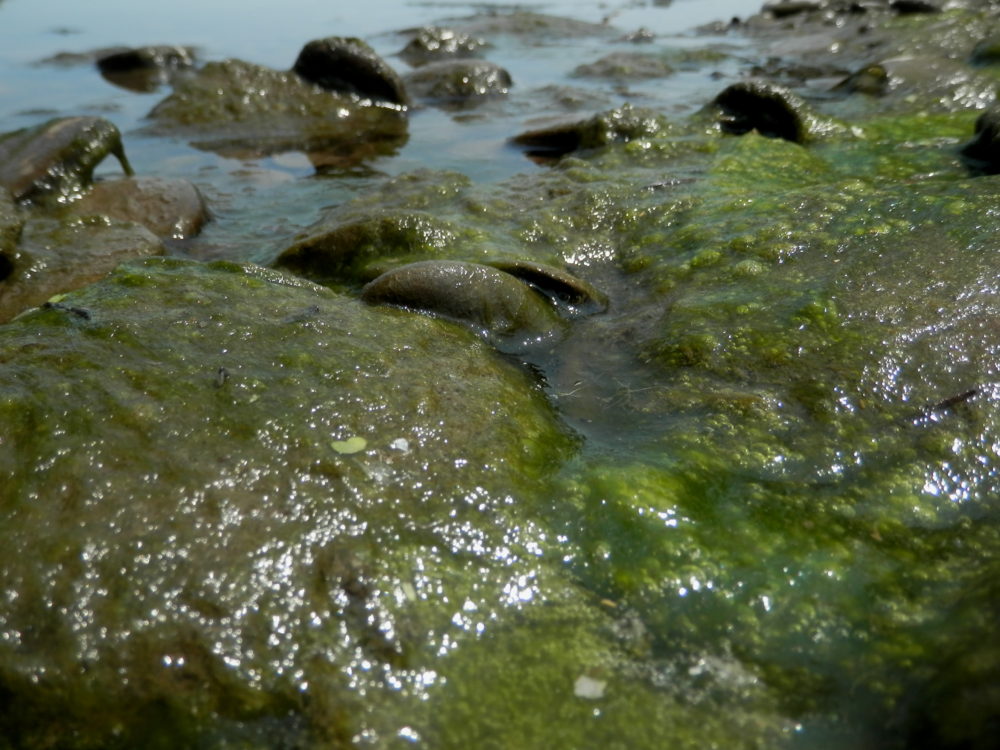
Good question! They are a diverse group of aquatic organisms. Most people know of seaweed, pond scum, and other algae. They are organisms that are capable of creating photosynthesis.
Breaking IT Down:
During photosynthesis, algae produce electrons. Some of these electrons are exported outside the cell where they may be able to provide electric currents to power devices. All BPVs generate current as soon as their electrons have been secreted.
Researchers have developed a two-chamber BPV system in which the two core processes that are used in the operation of a solar cell are separated.
How This is Innovative:
Charging and power delivery have two different needs. Charging units need exposure to sunlight in order to effectively charge. The power part does not require exposure to sunlight. Therein lies the problem.
Therefore, a two-chamber system enabled the researchers to design two independent units, which optimized the performance of the process.
What They Used:
The team used genetically modified algae to carry mutations that allow for the least amount of electrical charge to leave during photosynthesis.
The Benefits:
Since algae grow and divide naturally, they require less energy investment. Separating the energy generation and storage components means that the charge can be stored and not have to be used immediately. This means that the charge can be produced during the daylight and used at night.
With any form of natural energy comes some limitations. Algae powered fuel cells are unable to power a large grid system because they simply cannot generate as much electricity as conventional energy forms.
Working Their Best Potential:
They could be potentially the best solution in rural lands such as some countries in Africa because there is an abundance of sunlight, and no existing electric grid system. The production of BPVs can be carried out directly by local community members, and the socio-economic implications of this would be powerful.
Perhaps the greatest test will be a shift-change in mentalities. Algae isn’t exactly at the top of your mind kind of resource when it comes to anything remotely technically viable. Sure, experts contend on its benefits and abilities to surge into emergence, but it’s going to take a whole lot of convincing in larger market terms.