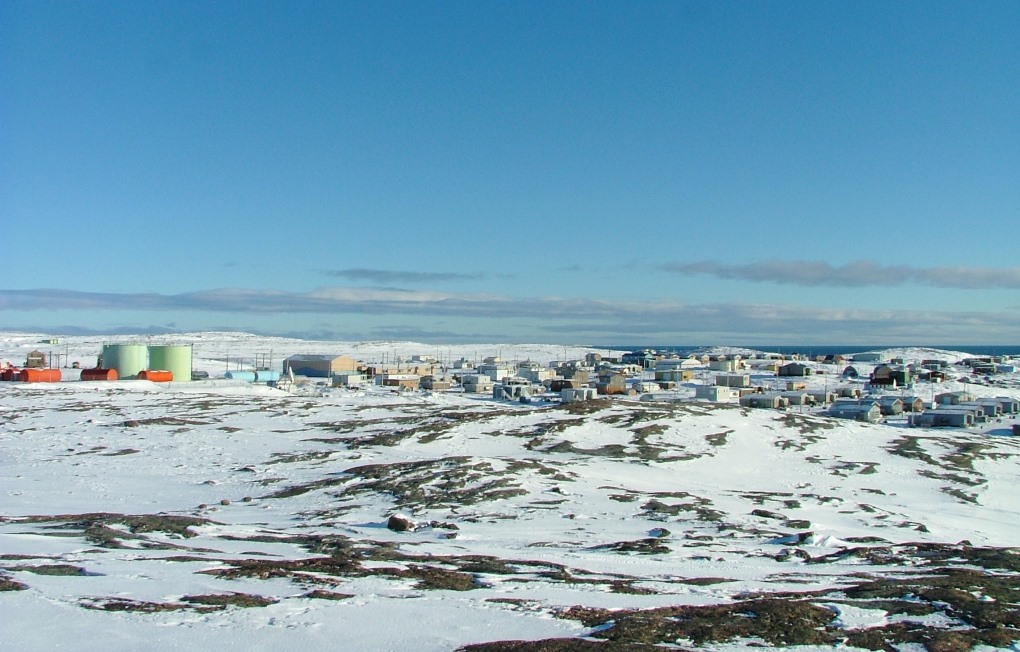
There’s more to climate change than what you see on television, two divers told The Weather Network on October 9, 2019. Extreme divers / cinematographers Jill Heinerth and Mario Cyr have been exploring the Nunavut’s Naujaat homeland on Hudson Bay. This is in northern Canada, where their Arctic divers view reveals the stark effects of climate change.
An Arctic Divers View of a Changing Society
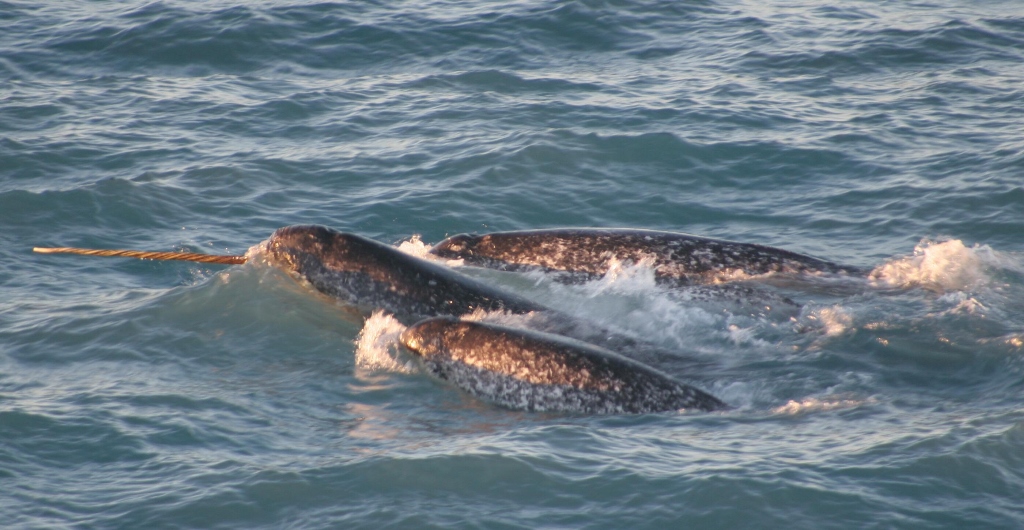
Jill Heinerth speaks of rivers flowing through Nunavut settlements all winter long, and how terrifying this is. The water bubbles up from beneath the snow, and they have not seen this before she explains. Moreover, the melting ice is a shrinking home for walruses, polar bears, narwhals and hundreds of other species.
This ice stores millions of gallons of fresh water, and helps moderate our climate by reflecting back Sun’s heat. Their Arctic divers view they share reveals marine wildlife struggling to respond to change. Polar bears are spending seven weeks more in water and on land a year than two decades ago. They hunt seals in water more often, not around their breathing holes.
Jill Heinerth and Mario Cyr Are Taking Extreme Risks
We might not know this is happening were it not for those two intrepid extreme divers and cinematographers. They have to stay alert at all times during a ninety-minute dive, Jill Heinerth told The Weather Network. “My neoprene-covered head looks like a seal and a polar bear is strong and fast,” she says.
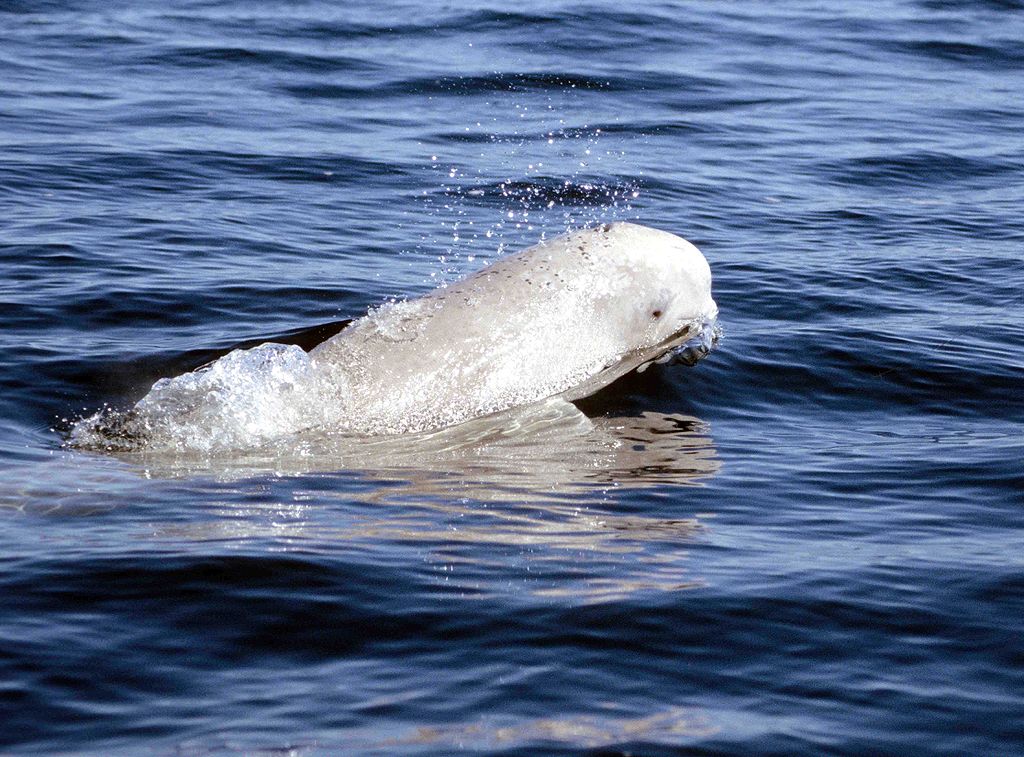
However, the rewards her Inuit guides shared with her make the risk worth taking. “When you first slip underneath the surface of the water you hear what sounds like an alien chorus.
“There are clicks coming from the narwhals, there’s like a canary song coming from the belugas and the seal are trilling this sort of high to low sort of octave song. And they are all communicating, attracting mates talking about feeding.”
“It’s so loud it is unbelievable, and then you return back to the surface and you hear just the wind and the snow … and it’s quite different.” Could climate change turn this Arctic divers view to silence …
Related
Last Antarctic Forests Are a Somber Warning
Rapid Climate Shift Event in Arctic Barents Sea
Preview Image: Naujaat in October