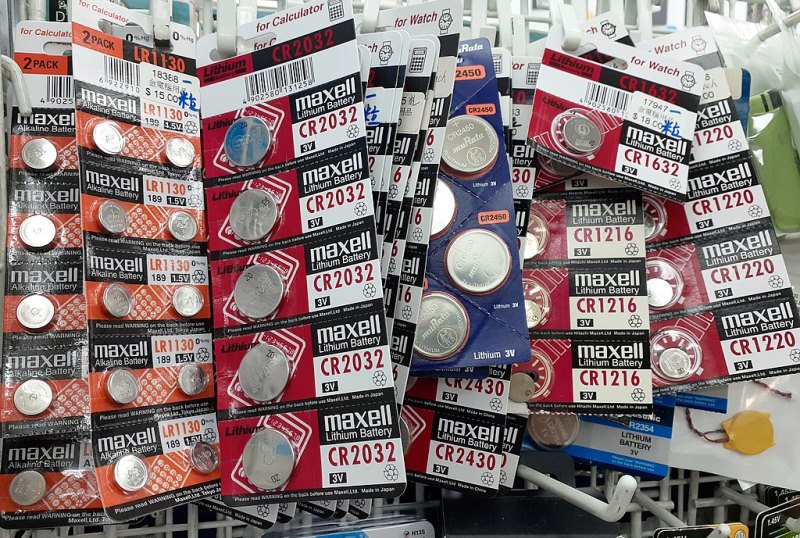
Purchasing a second hand-battery is a bit like buying a horse off a photograph. It may be a hard worker, but on the other hand it might also have gone lame. We face a similar dilemma when we purchase a battery at a store. Assessing a battery by the use-by-date similarly fails to provide the full picture. That’s because batteries (and horses) are not all the same.
Three Things That Make Assessing a Battery Tricky
The average customer faces a triple dilemma when inspecting a new secondary, rechargeable battery through a blister pack:
- How much run-time is left, after allowing for natural self-discharge?
- Will the remaining energy in the battery be enough for my purpose?
- Will my current battery charger be able to replenish the battery?
Smart battery technology should be able to answer these questions, although in many cases it still does not.
After We Unwrap the Battery, We Still Don’t Know
The average circuit tester only reveals the open circuit voltage remaining. Assessing a battery this way is about as comprehensive as weighing a horse! We don’t know what’s happening under the skin, in either case.
The battery could be a leaky reservoir of energy that loses capacity after each discharge. This is why the amp-hour rating on the blister pack is not always a true reflection of what that particular battery can do for us! Besides, we now know that the ambient temperature will change that value too.
This may not be such a big deal for flashlight batteries, even though we may end up with less energy than we thought we purchased. However, a half-flat battery can be a very big deal for medical, military and computing applications.
Smart technology may bring assessing a battery closer to an exact science in those three examples. But we are not there yet universally. In the interim, our safest bet is to purchase batteries that are fresh stock, from a supplier we can trust to be truthful and honest.
More Information
Energy Versus Power in Batteries