Lithium-ion cell shapes must fit snugly into the devices that they serve. This is an iterative process, where some device makers design their products around the cells. However, some manufacturers of top-end mass products like smartphones may specify relatively unique sizes and shapes. We review the three main approaches to solving this challenge below.
The Three Main Lithium-Ion Cell Shapes
We assume all the cells we describe in this post are 3.2-volt lithium-ion-phosphate types. However, the principles governing lithium-ion cell shapes and sizes are universal.
Common Lithium Cylindrical Cells
Volta’s first electrochemical pile comprised stacked, alternating discs. This cylindrical shape continues to be popular in terms of gross quantity sold. This could be for manufacturing convenience, although the boot is now on the other foot. That’s because countless smaller devices insist manufacturers keep on making them.
And so we continue to find tubular cells in everything from power tools, to drones, to kids’ toys, to medical equipment. Their small weight and size keep them in high demand. However, there is wasted space when we stack them together, to make up larger batteries.
Prismatic Shapes for Lithium-Ion Cells
Rectangular battery shapes will take less space on average, because they nest tightly and should ship in bulk for lower cost. They are larger than cylindrical ones, but have greater capacity because they pack more lithium by volume. Prismatic rectangular shapes are common inside laptops, although their replacements are harder to source.
Prismatically-shaped lithium-ion cells are also simpler to stack than cylindrical ones. This makes them great candidates for electric vehicle batteries. We could say they are top-choice for energy storage, and also for more expensive lead-battery substitutes.
Flexible Lithium Pouch Cells
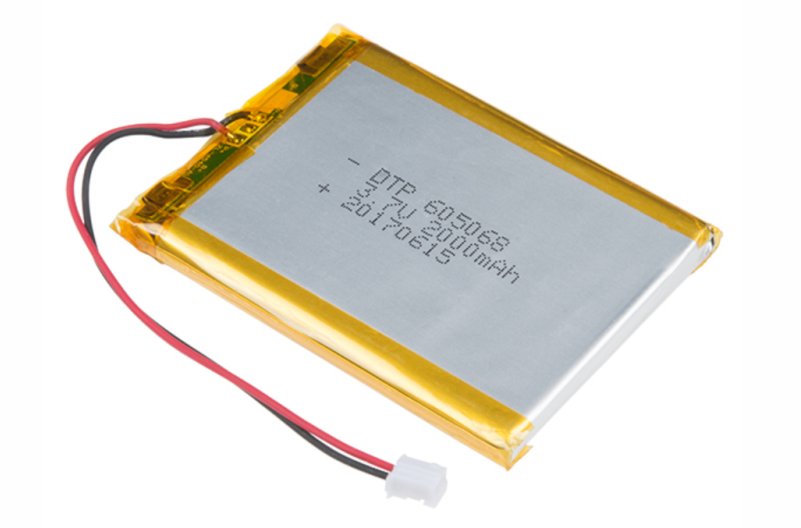
Lithium pouch cells, as the name suggests are pliable containers holding lithium-ion-phosphate chemistry. The only rigid external components are their negative and positive terminal tabs. This delivers a high gravimetric density solution that can ‘flow’ into any shape within reason.
However, in practice they still need to be inside a containment to prevent expansion, and ensure general structural stability. This ends our brief report on various lithium-ion cell shapes and sizes. We hope you find the information valuable, and that we can meet here again soon.
More Information
New Types of Batteries For Energy Storage