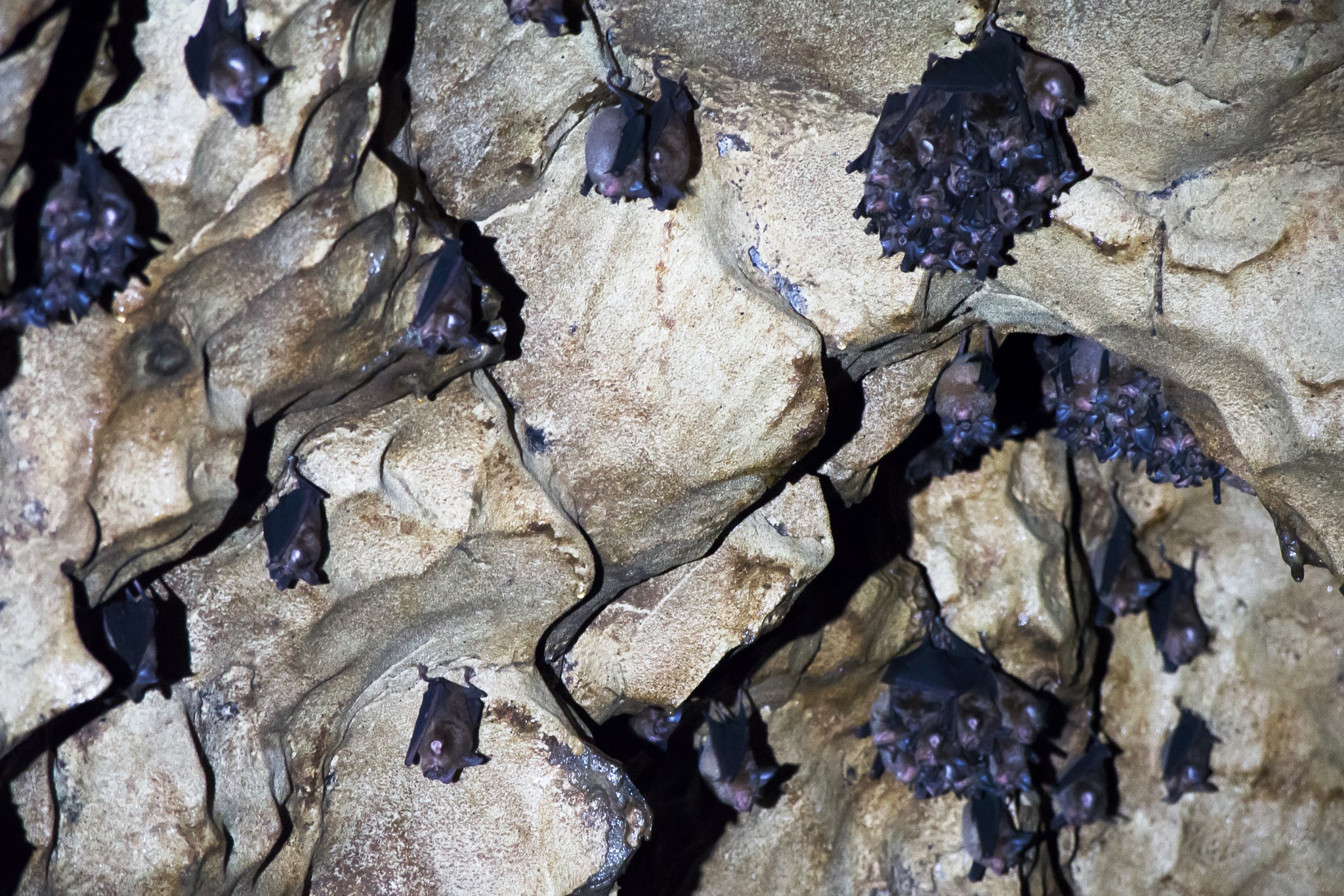
The bats are not to blame for the coronavirus, says CIRAD Agricultural Research for Development. Their lead on this, Mathieu Bourgarel has been scrambling around caves in Zimbabwe to prove his point. He and his colleagues believe bats are an integral part of complex natural webs, that keep ecosystems healthy.
Why Bats Are Not to Blame for the Coronavirus
Mathieu Bourgarel visits caves in Zimbabwe to collect bat droppings he describes as like ‘wading through fresh snow’. He must seek permission from village elders first. That’s because they regard them as winged dragons, flying rats, or simply ‘evil ones’ according to BBC’s Helen Briggs.
First, Mathieu Bourgarel offers a gift to appease the spirits. Then he dons protective clothing, climbs down ladders and squeezes through narrow chambers. Occasionally, he startles a sleeping bat and its wings brush past as it takes flight. Bats are fascinating he says, but people are frightened of things they don’t know. Bats are not to blame for the coronavirus, he says. If it crosses to us, we are at fault for invading their space.
The Bats Have Not Harmed the Local Population
The local people visit the caves regularly to collect bat droppings they use to fertilize their crops. It’s been so far, so good for them to date. But Mathieu Bourgarel wants to make sure they are safe. That’s because he knows three out of every four new, or emerging infectious diseases in people cycle from wildlife.
Insect-eating bats are unique; in fact they are the only mammals to truly fly. They may be saving U.S. farmers as much as $3.7 billion a year in crop damage. But they are under immense pressure from climate change, and degradation of their environment.
If bats became extinct, then hundreds of plant species they pollinate would vanish. A blow to one component in an ecosystem is a blow to all, and the consequences could be immense. If they do spread coronavirus, they are still not to blame says Mathieu Bourgarel. It’s the humans entering their environment and contracting the infection there.
Related
SARS-CoV-2 Look-Alike Found in a Bat
The Next Animal-to-Human Viral Transfer
Preview Image: Bats in a Cave