Sulfation happens inside Lead–acid batteries when the electrolyte starts to break down. As the sulphuric acid (electrolyte) splits up, sulfur ions become free forming crystals. These sulfur ion crystals then stick to the lead plates of the battery, thus forming lead sulfate crystals. With time the crystals grow in size and become hard, covering the lead plates completely. This coverage deteriorates the overall efficiency and power storage capability of the battery. If left untreated, the sulfation process will only worsen the condition and the user will end up losing their battery.
Common reasons for battery sulfation:
a) Batteries sit excessively long between charges. As little as 24 hours in hot climate and a few days in cooler climate. The longer a battery sits and is not re-charged, all the more sulfation develops on the plates.
b) Battery is put away without some kind of energy input.
c) Incorrect charging levels and settings. For example, undercharging of a battery to just 90% of limit will permit sulfation of the battery utilizing the 10% of battery not reactivated by not finishing the charging cycle.
d) Low electrolyte level – battery plates laid open to air will promptly sulfate.
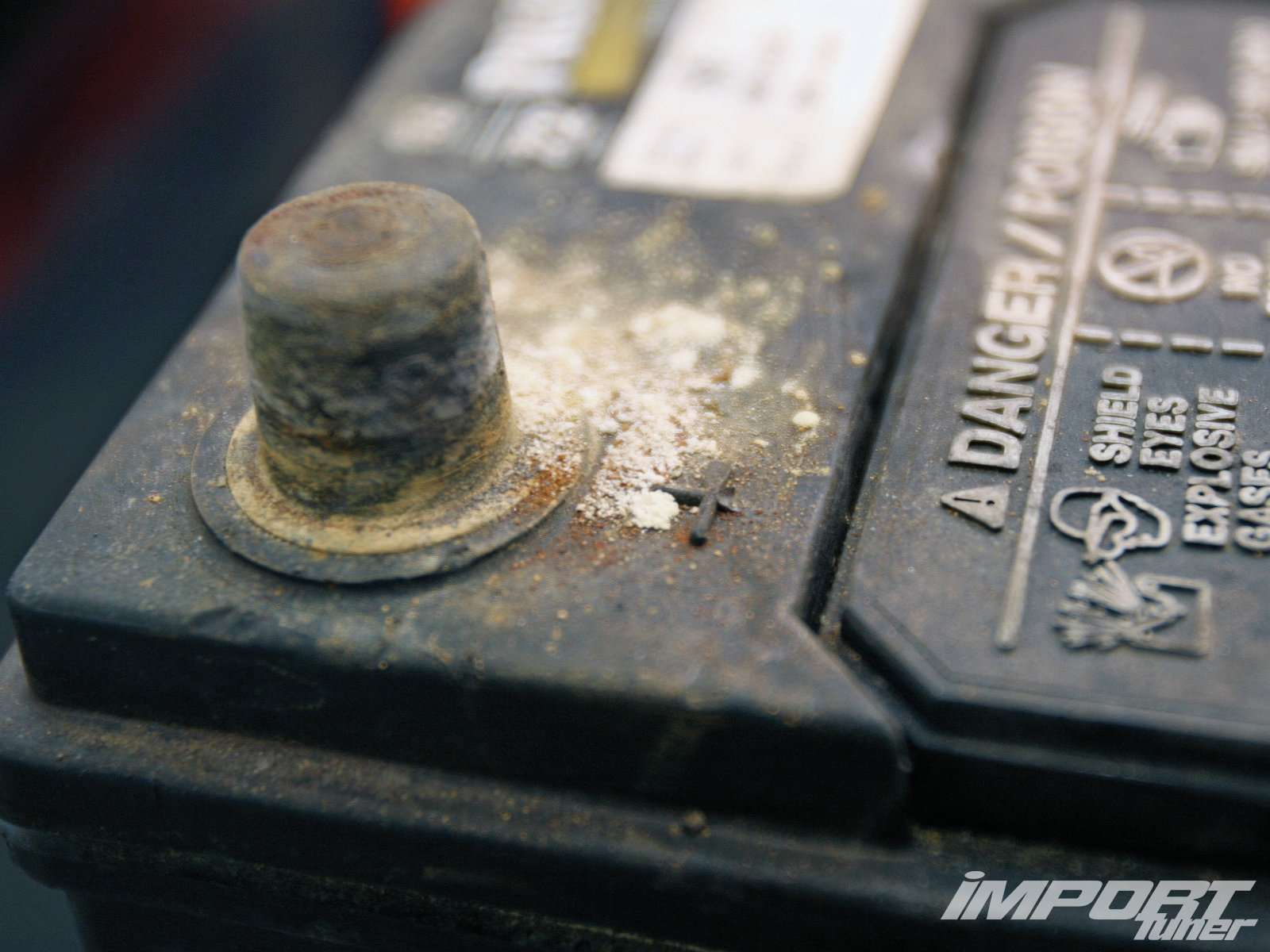
A myth to saving a battery against sulfation is disconnecting the battery. Disconnecting battery may prevent trickle discharge, yet does not keep the electrolyte inside the battery from breaking down. It may help in slowing down battery sulfation, but will not keep it from ultimately happening.
A few organizations offer “desulfation” devices that apply pulses to the battery terminals to forestall and reverse sulfation. These devices are based on technologies that tend to lower sulfation on a battery that is healthy, however they can’t invert the condition. Another important aspect of desulfation devices is, the companies offering such devices follow “one size fits all” approach, which is unscientific.
Related articles: