We wrote about hidden binders in lithium-ion batteries in our previous post, and how scientists at University of Oxford in England made them visible. We follow through with a description of how binder redistribution makes a difference, in the second half of this report.
Tweaking Binder Distribution in Electrodes
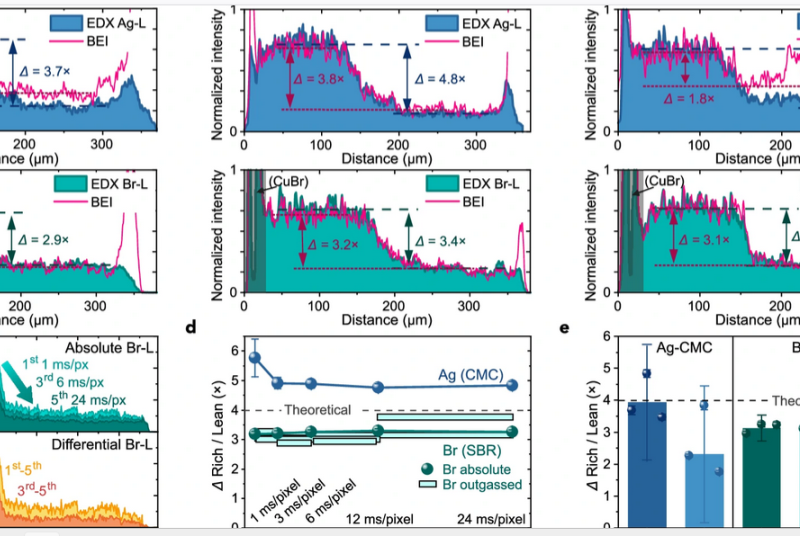
The University of Oxford researchers noted how binder distribution affects battery performance, now they could see where the binder was. They experimented with slurry mixing and drying to see what happened next.
The results were quite amazing. Even slight differences in binder arrangement significantly affected charging speed, and battery lifespan too. The team were able to lower internal ionic resistance in test electrodes by as much as 40%. What benefits that could bring!
But that was not all by far, although here must dip into battery science for a moment. The researchers were able to detect extremely thin layers of carboxymethyl cellulose (CMC) binder, coating graphite particles.
This new knowledge revealed what happened, when initially uniform CMC coating disintegrated into uneven patchy fragments during processing. This raised the question, could this autonomous binder redistribution make a difference, by weakening battery performance and long-term stability?
A Different Approach to Binder Distribution
Co-author Prof Patrick Grant congratulated his team on their multi-faceted approach. “This multidisciplinary effort spanning chemistry, electron microscopy, electrochemical testing, and modelling, has resulted in an innovative imaging approach,” he explained.
“This will help us understand key surface processes that affect battery longevity and performance. And drive forward advancements across a wide range of battery applications as well.” We congratulate his team on a job well done!
More Information
The Glue in a Battery That Binds It
Hidden Binders in Lithium-Ion Batteries
Preview Image: Sensitivity of Binder Mapping